It began with a Chinaman at Old Trafford and ended with a boy from Langa limping through the Long Room at Lord’s.
This article isn’t just about cricket. It’s about memory, race, colour and colonialism. It is about Ellis Achong. About James Baldwin. About echoes and why cricket is never just a game when the past insists on walking out on the pitch with the openers.
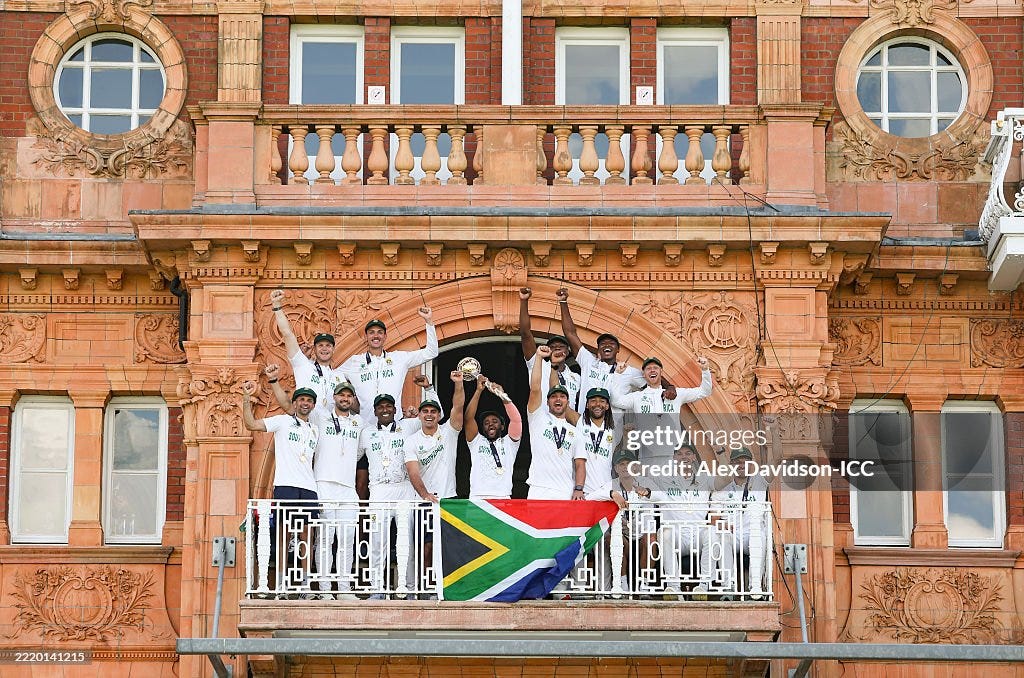
Ellis Achong, happens to be the first cricketer of Chinese descent to play our beautiful game and during the West Indies tour of England 1933 - at Old Trafford, he bowled a stock ball (left-arm unorthodox spin) to get Walter Robbins stumped. After getting done by this beautiful delivery, it is apocryphally believed that the batsman while walking towards the umpire said, “fancy being done by a bloody Chinaman”.
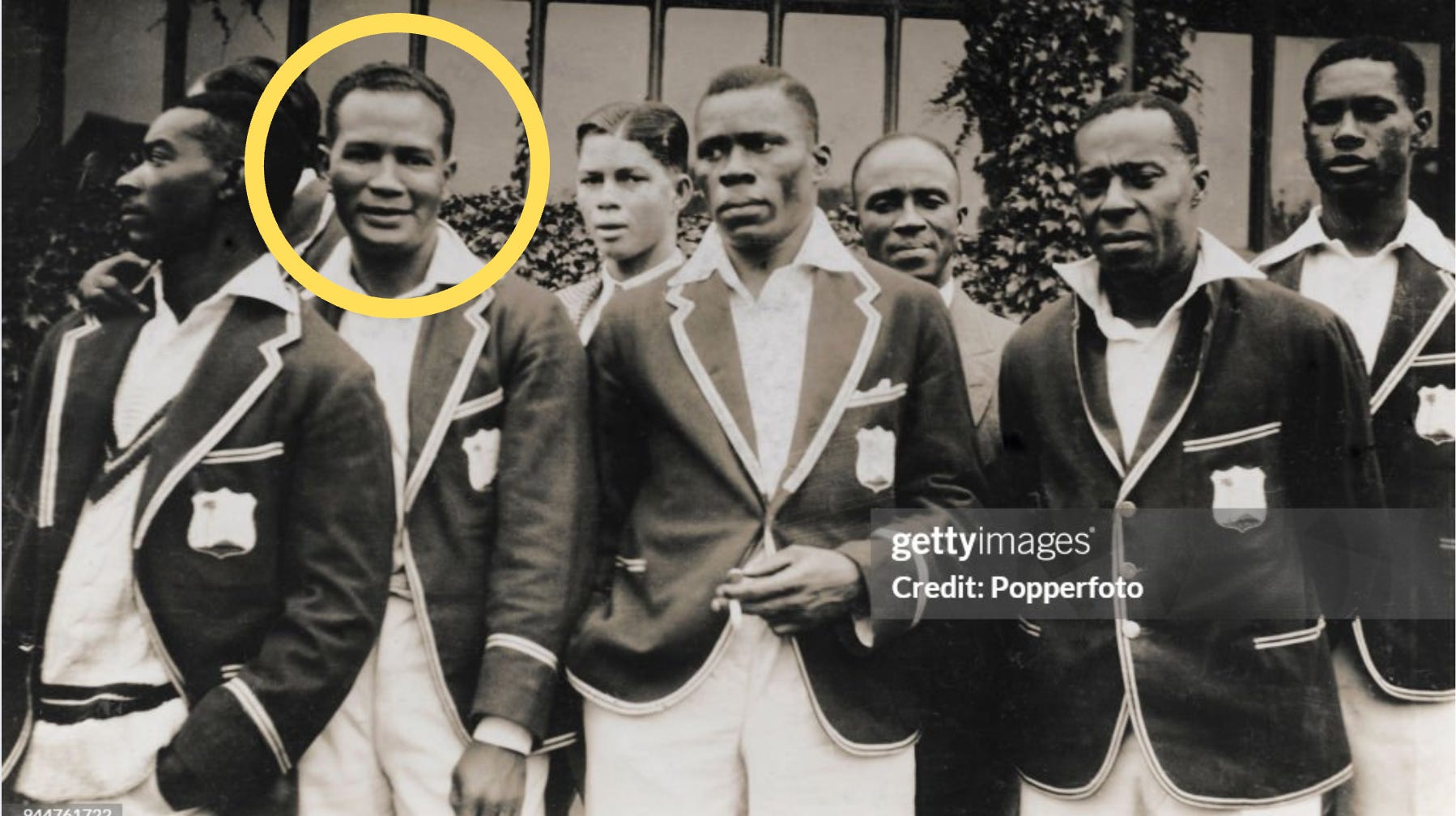
The moniker stuck in the game, and as I write this - it is not used in cricket apart from a few old timers. While some of us might believe that is not racist to use the term to define the particular kind of bowler - but given the timing when the term was likely removed from the glossary of cricket, it has got something to do with players of Chinese origin coming in the game - Mark Chapman, Issy Wong and more because of participation of China and other Asian nations in the game - as ICC tries to spread its wings in making the game a global sport.
James Baldwin, one of the luminaries of the 20th century, wrote in his 1953 essay, Stranger in the village1 about his time in a Swiss hamlet, “Some thought my hair was the color of tar, that it had the texture of wire—or the texture of cotton. It was jocularly suggested that I might let it all grow long and make myself a winter coat. If I sat in the sun for more than five minutes, some daring creature was sure to come along and gingerly put his fingers on my hair, as though afraid of an electric shock, astonished that the color did not rub off.” and “I knew that they did not mean to be unkind, and I know it now; it is necessary, nevertheless, for me to repeat this to myself each time that I walk out of the chalet. The children who shout Neger! have no way of knowing the echoes this sound raises in me.”
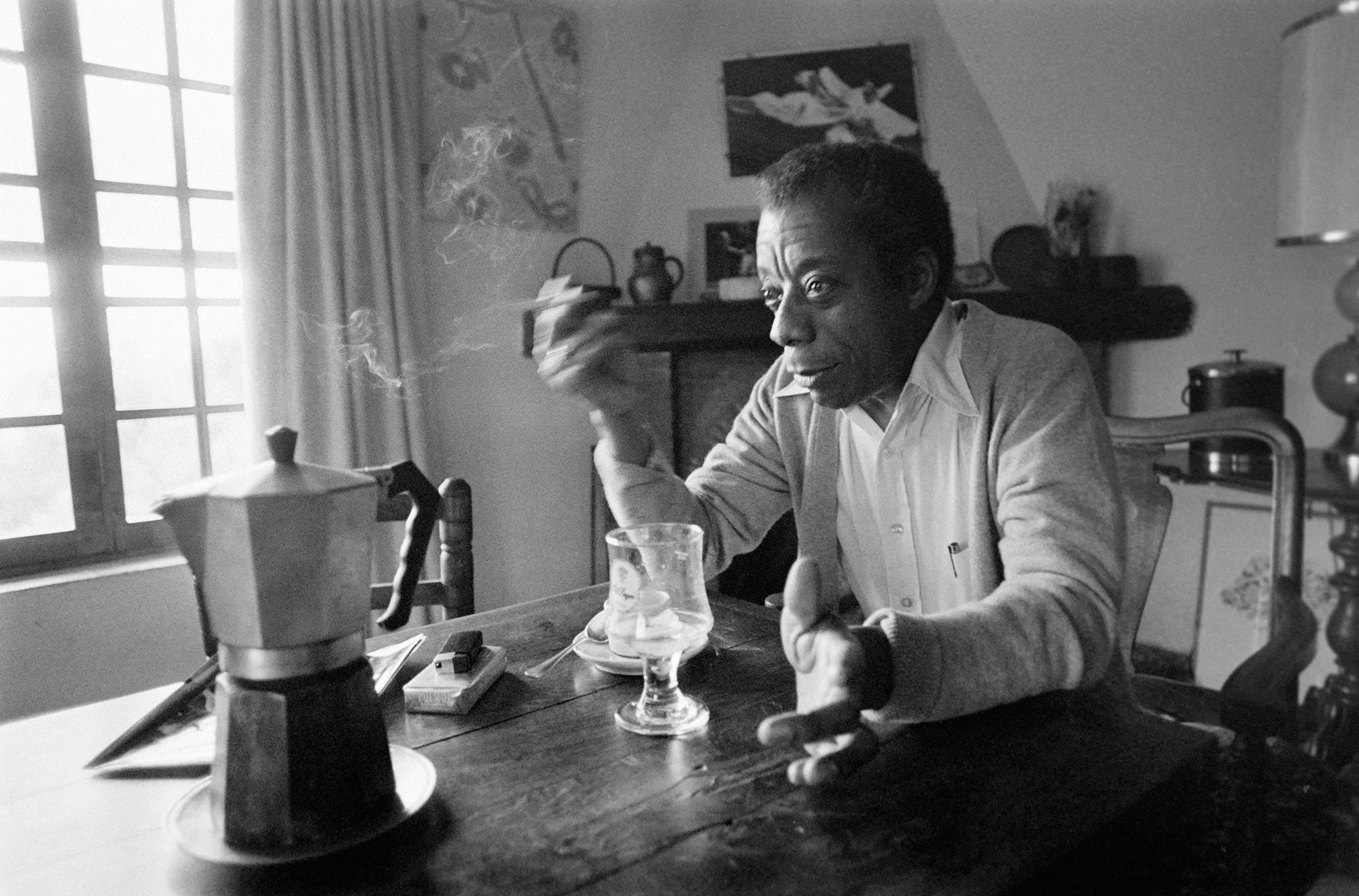
Now, I am making these two points because we live in a fluid world. And it is necessary to understand how history shapes the world we live in. Language, like line and length, always reveals the field it's playing on. The same cricketing world, which kicked out South Africa for its apartheid policies in 1970 found it okay to keep the term Chinaman intact until 5 years back. That’s the thing. The people who coined “Chinaman” weren’t trying to offend. The Swiss villagers Baldwin met weren’t trying to be cruel. But intention isn’t immunity.
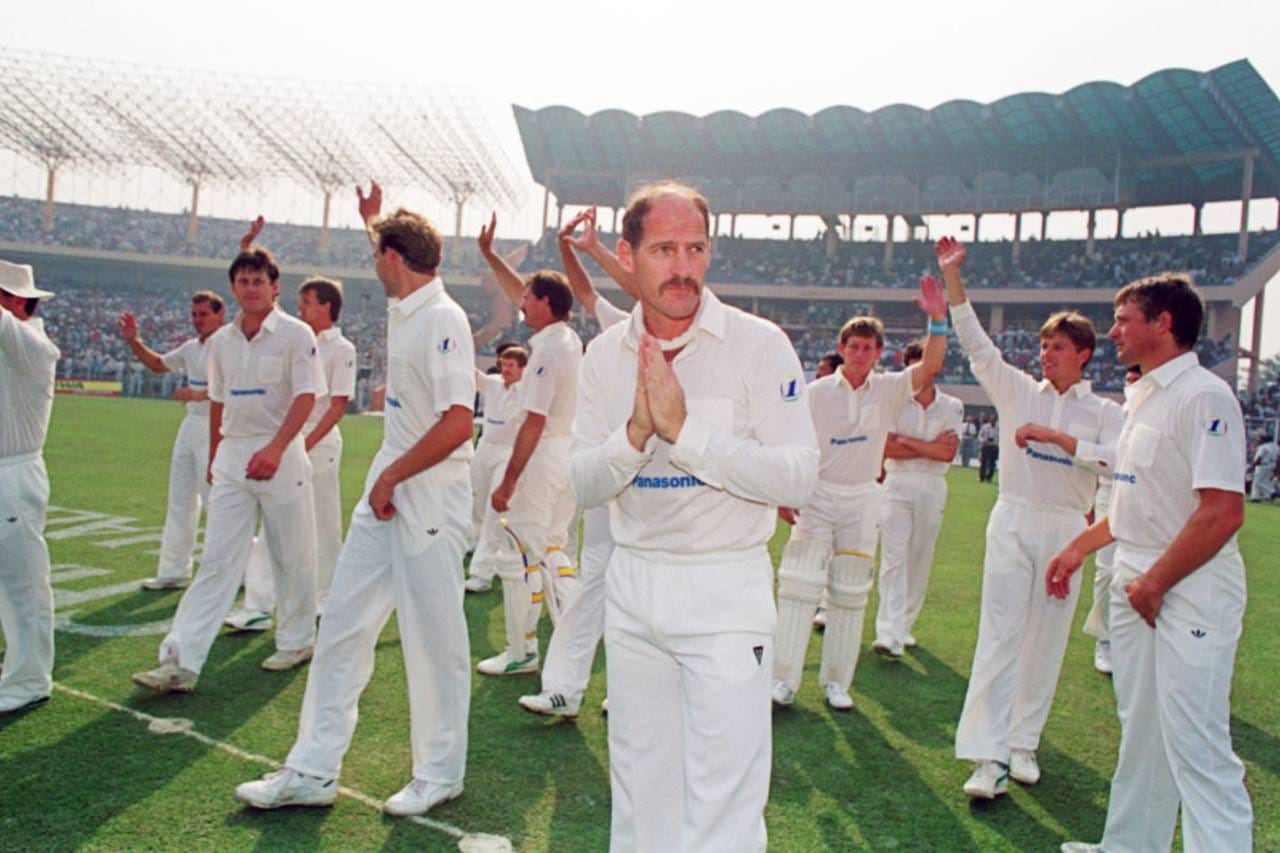
Now I am not a journalist or a writer, I am only an observer of the game and it is important to know these elements before we walk into the story of South African cricket and into its readmission in the ICC at Eden Gardens, Calcutta in 1991.
I have a very faint memory of Sachin of the 90s - but I do remember the chatter around Henry Olonga dismissing Sachin Tendulkar! Olonga was born in 1976, round about the same time, when the West Indians started their 20-years domination of the sport starting with the infamous Tony Greig’s Grovel Series in England. Now Olonga is relevant to this conversation because he was the first Black player to play for Zimbabwe(Southern Rhodesia) and he debuted before Makhaya Ntini who happened to be the first black South African to don the Proteas Jersey.
Mandela once said, “Sport has the power to change the world. It has the power to inspire. It has the power to unite people in a way that little else does.” But for Ntini these words were lies - because he was running to the grounds from the team hotel to beat the loneliness of sitting alone in the team bus, when playing for the national team.
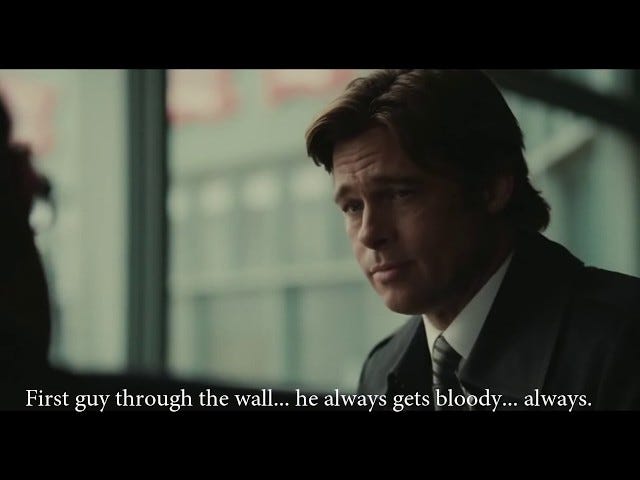
While we know that the first guy through the wall always gets bloody yet Olonga and Ntini became the voices of Black presence in tall White structures. And yet, for all their hurt and abuse, they left the wall cracked just enough for someone like Bavuma to walk through with pride.
By now it is apparent why I am writing this article.
Temba Bavuma, the first Black Captain of the South African cricket team has gone where none of his white predecessors of Dutch and English stock were able to go - he has taken his team to the pinnacle of cricket by winning the World Test Championship.
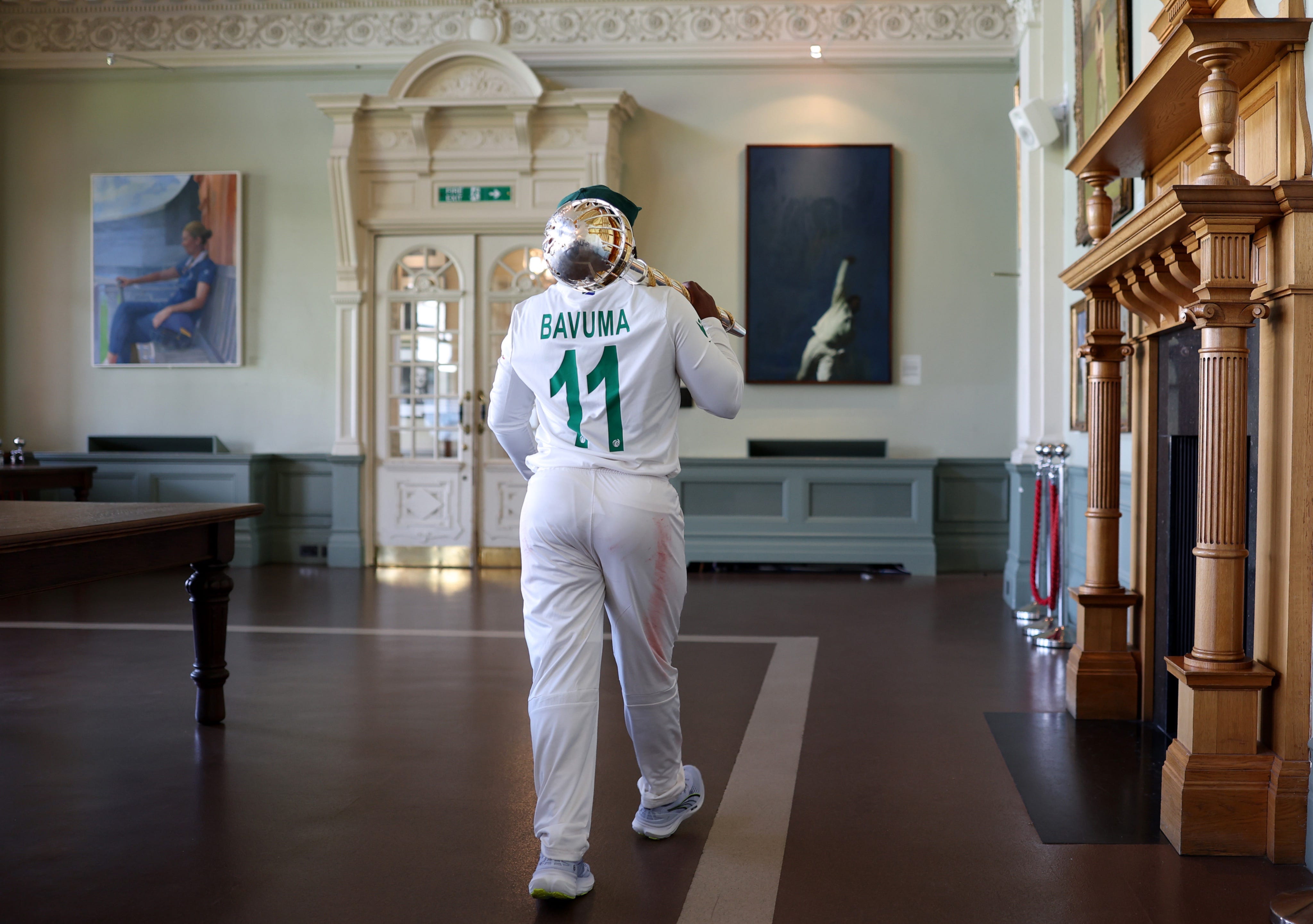
It is as big as it gets. It is the territory which Kepler Wessels, Hansie Cronje, Shaun Pollock, AB DeVilliers, Graeme Smith, Faf Du Plessis could never walk into - not for the lack of trying but for sometimes unable to hold the nerve and at other times sheer bad luck.
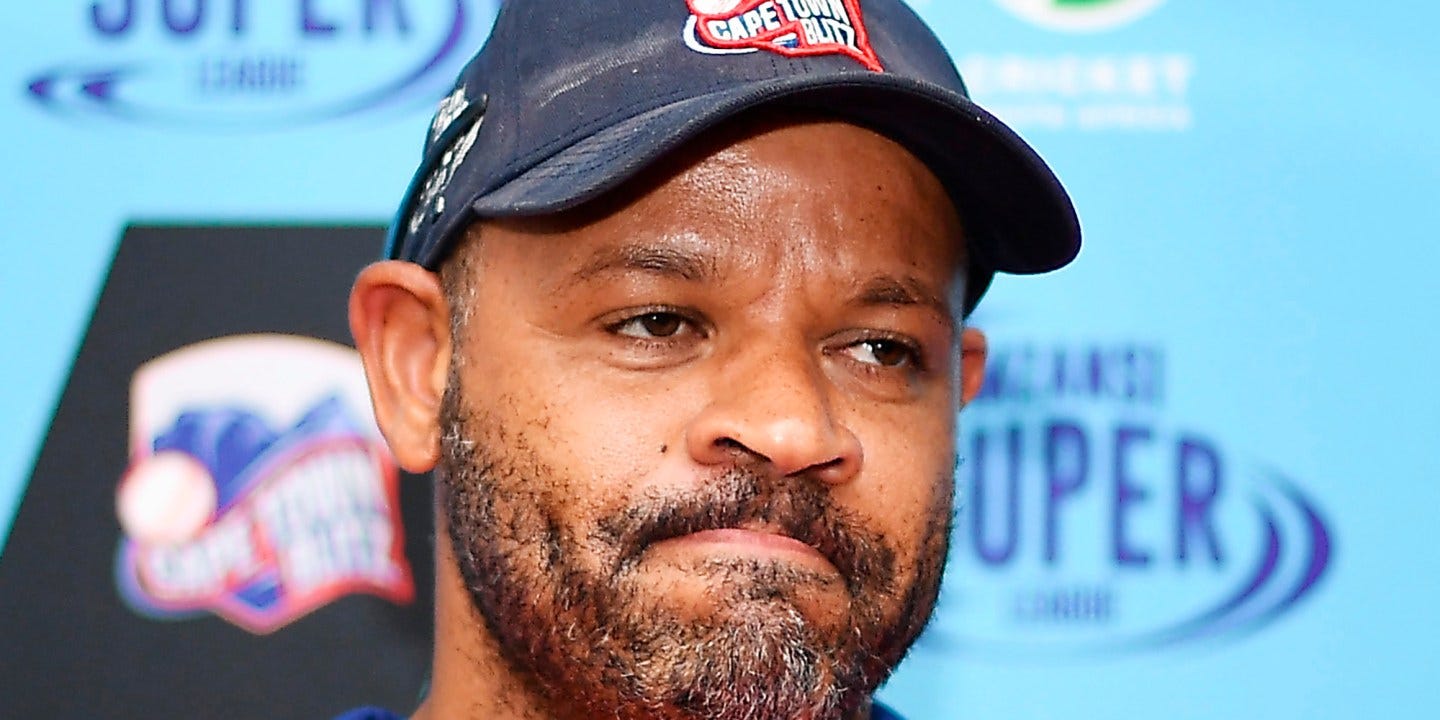
Ashwell Prince, the current batting coach of South Africa played 66 Tests for South Africa. He scored 3600+ runs at 41 - pretty decent if you take into account that 75% of those games were played in SENA countries. Yet when it came to talking about Prince the player - he would always be talked about as a quota-player. If this chatter comes from outside the dressing room, one can close their eyes and ears but one can’t do that when the chatter comes from within the team. In 2020/2021, Prince talked about the systemic racism and discrimination against the people of color in the system during Black Lives Matter.
“You think that you’re playing for your country, that you’re living a dream, but it was no dream,” said Prince.
“I raised my bat to my parents, then to my wife on the other side of the stadium and then, lastly and reluctantly, I raised my bat to my team-mates,” he said. “If I had a choice, I wouldn’t have raised my bat to them. We weren’t a team.”
And as we speak, Ashwell Prince is the happiest cricket coach in the world - a feeling no other former South African cricketer can take from him. You can not take the joy of singing, ‘Bella Ciao’ in the rendition of ‘Temba Bavuma’ from him. He is vindicated.
And you know what, when he meets the eyes of Mark Boucher or Graeme Smith next - I am sure Mark Boucher wouldn’t dare to look him straight into the eyes. For that matter not just Boucher, many other players in the African team who ever made Prince, Ntini, Paul Adams etc. uncomfortable and made them feel as if they didn’t belong in the team.
Before we go any further in this article, let’s educate ourselves on South Africa a little. And I want you to understand the land, Temba Bavuma and people who walked before him grew on. Strange as it may sound, every country in the world where cricket is played has imprints of the age of exploration, the various ‘East India Companies’, business monopolies and private armies, exploitation, plantations, mines and racism.
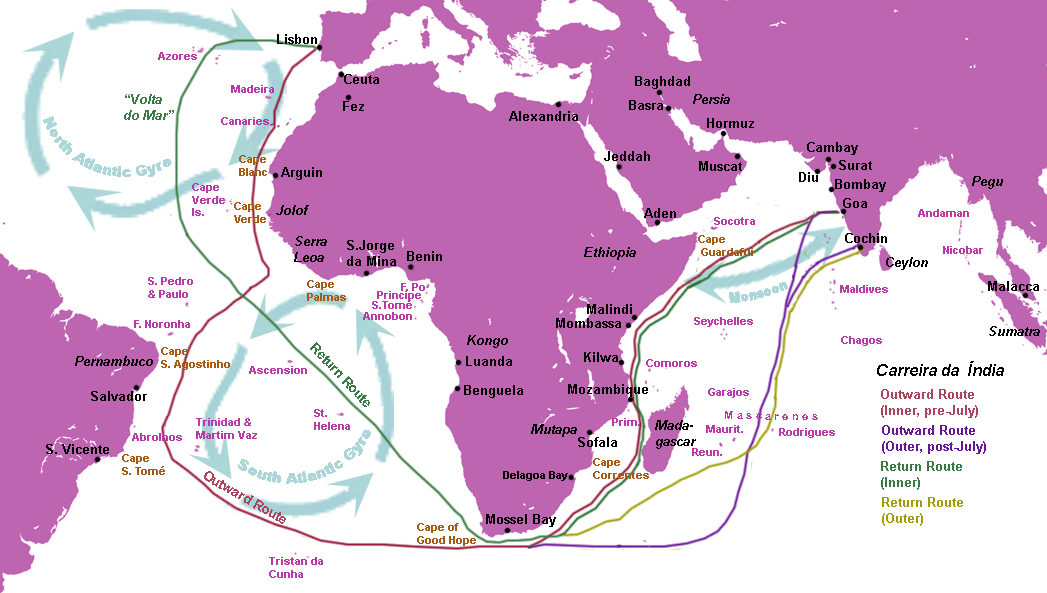
During the age of exploration, round about the same time Columbus discovered America(1492) - the Portuguese(Bartolomeu Dias) ushered by Prince Henry, the navigator, discovered the Cape of Good Hope in 1488 and proved to world that there existed a Southern route in the open seas - for Europe to Asia voyage.
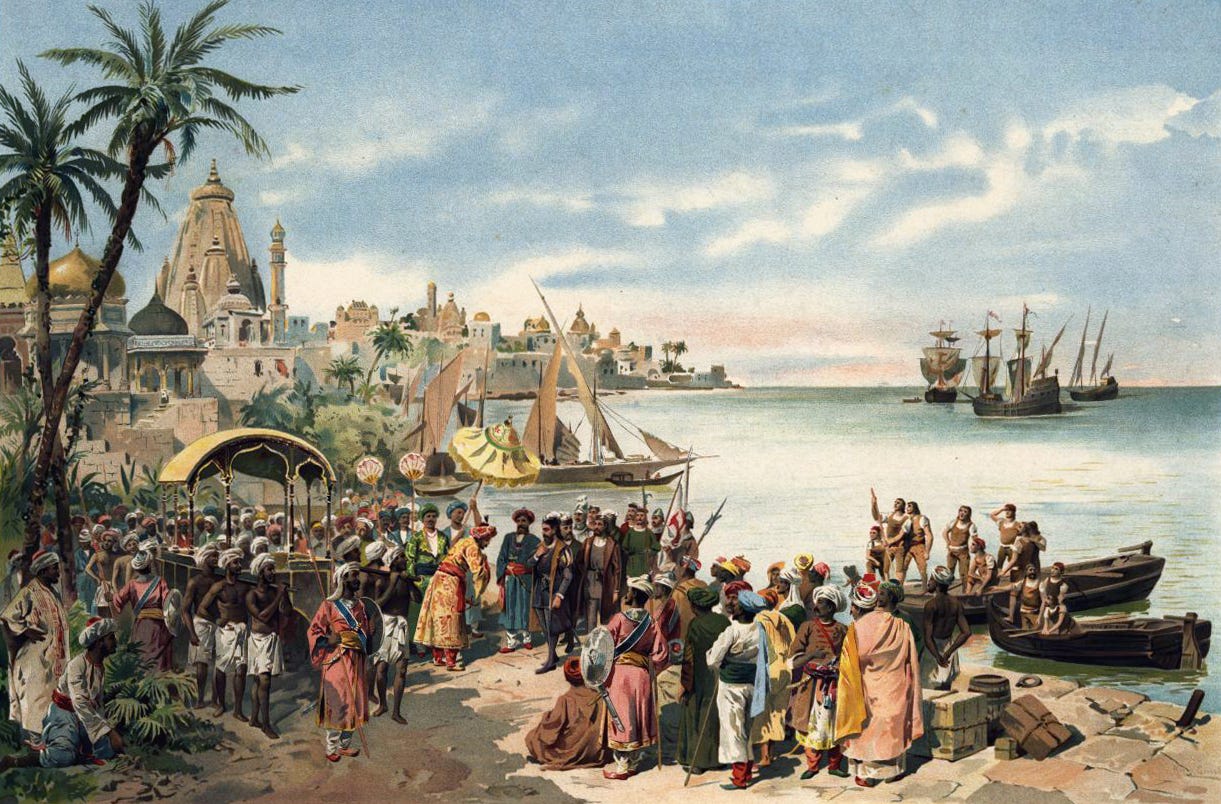
It was the same route taken by Vasco Da Gama to reach Calicut in 1498. But as the Portuguese were greedy for bossing the spice trade between India and Europe - they didn’t care to make settler colonies at the Cape although they bartered fresh water and sheep with the locals. The Cape offered no spices, no silk and no gold - unlike India. Thus they made posts on the Indian Ocean trade loop - Mozambique, Goa and Malacca and left the Cape alone.
It was only in 1652 that the Dutch led by Jan van Riebeeck started a refreshment station in controlling the sea route to Dutch East Indies(Indo China) - ruled from Batavia(now Jakarta). The settlers came to be known as Boers who spoke a dialect of old Dutch now called as Afrikaans.
A century later the Boers got itchy, rolled north, and bumped into Xhosa lands and Zulu armies and created new borders. Spilt blood, terrible violence and gunpowder redrew the map, giving birth to the province of Transvaal and Orange Free State. Fast forward to the British in 1806 - who got into this to keep Napoleon away from the sea route to India. British didn’t care for the next few decades until Diamonds are discovered in Kimberley(1867) and the Witwatersrand Gold Rush in 1886. Suddenly, London starts caring a lot more - nasty Anglo-Boer war(1899-1902) and a word concentration camp slips into the dictionary - around 40 years before Adolf Hitler and the Nazis.
The British Crown also ships in indentured/contract Indians for the sugar fields and clerical work. One skinny lawyer named Mohandas Karamchand Gandhi gets kicked off a whites-only train compartment at Pietermaritzburg(1893) and turns out to be vanquisher of the Empire, on which sun never set, birthing the independent republic of India. Indians end up wedged in a strange middle caste - not white enough, not Black enough, always abused enough. Highly recommend watching Gandhi(1982).
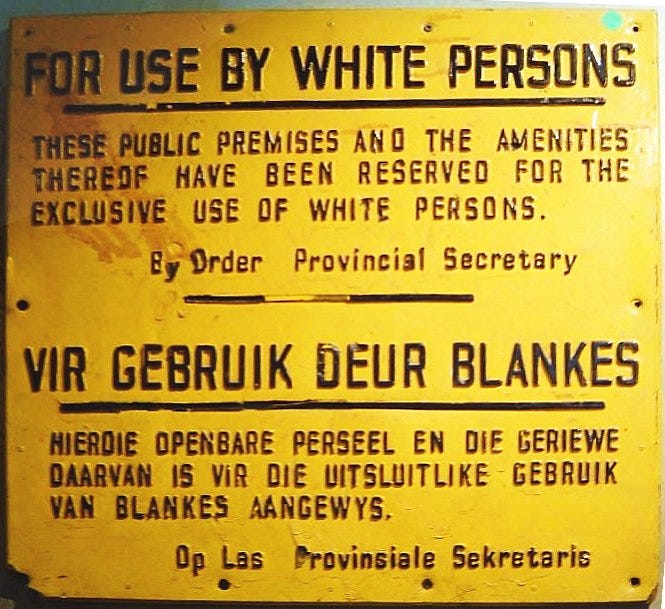
Fast forward to 1910 the Brits & Boers shake hands and form the Union of South Africa - and shut the Blacks and Coloreds from any sort of political power. Three years later the Natives Land Act(1913) locked 93% of the land for whites. Native Urban Areas Act (1923) turns Johannesburg into a whites-only island with Blacks issued day-passes. The Blacks and Indians carried passbooks and bars/eateries were colour coded.
For the next four decades the system is tightened, until in 1948 the Afrikaner-led National Party officially coined the term: Apartheid. It was not very different from racial segregation in the United States which led to the Civil Rights Movement led by Dr Martin Luther King.
This was the world, which Temba Bavuma’s grandparents inherited, which Nelson Mandela fought against, which Makhaya Ntini(b. 1977) was born into. And it is the same world which a few decades our little beautiful Temba Bavuma has levelled.
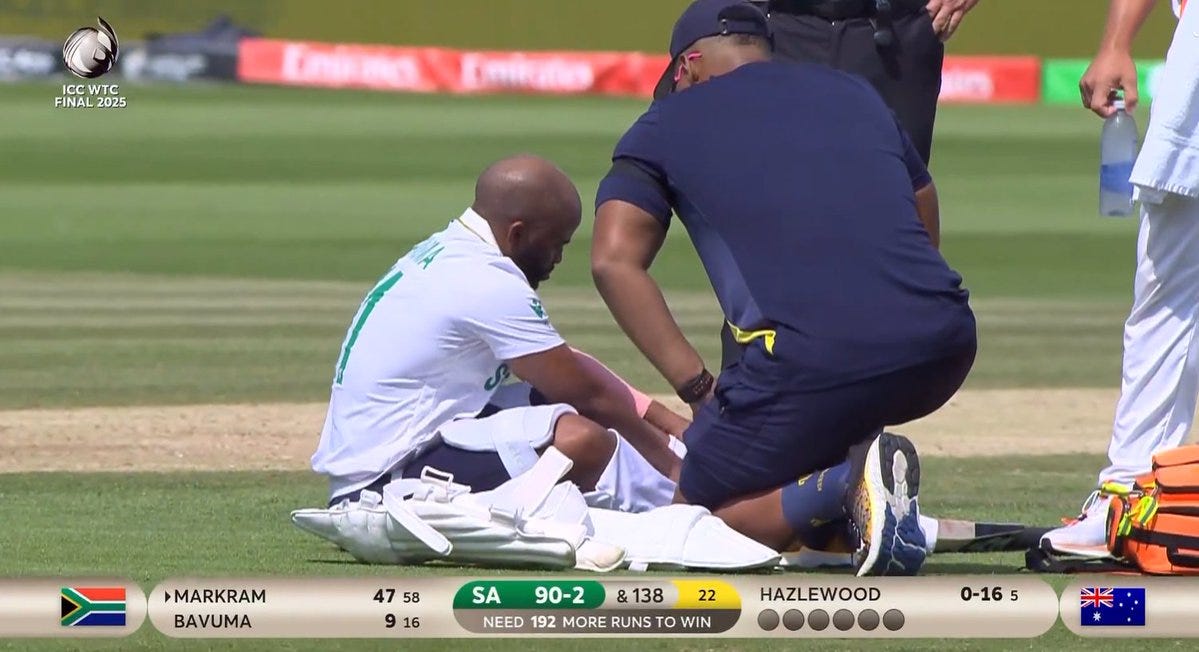
So when during the afternoon session of the 3rd day of the WTC final 2025 at Lord’s - Temba Bavuma pulled a hamstring - the South Africans both white and black were in doldrums! With the team battling at 90/2, against arguably the best pace attack in the world - and a team fraught with ghosts of past failures and called names worse than those related to family members - Bavuma would have rather died on the field than to retire hurt.
One can only imagine what Bavuma was batting against:
Was he batting against the three mean pacers from Down Under with their ancestry in Penal Ships and Penal Colony and a team which has dominated the Global sport more than any other country?
Was he batting against the system which still teases and chides - sometimes subtly and sometimes in the open?
Was he batting against the ‘name-callings and passbooks’ which never makes him forget his identity or where he came from, Langa(Black designated township) - remnants of the Native Urban Areas Act (1923)?
Was he batting against nearly 400 years of oppression at the hands of the Dutch and British colonial masters, the plunderers of the diamond and gold mines, the conversions to European faiths and desecration of native shrines/temples?
Was he batting against the scoreboard of heartbreaks: ’92 rain farce, ’99 Donald run-out, ’03 Duckworth Louis mis-read, ’15 Elliott six and all other near misses?
Whatever he was batting against, Temba proved his mettle. He batted through the post-tea session, taking his team to safety with Markram to give him company. Hobbling on a broken leg, he etch himself in the history of the game. The two slog sweeps against Lyon and Head and a straight drive against Hazelwood, will live rent free in my head for a life time. A limping batsman who couldn’t go on the front foot - made the most of what could be done by being planted in the crease on the back foot.
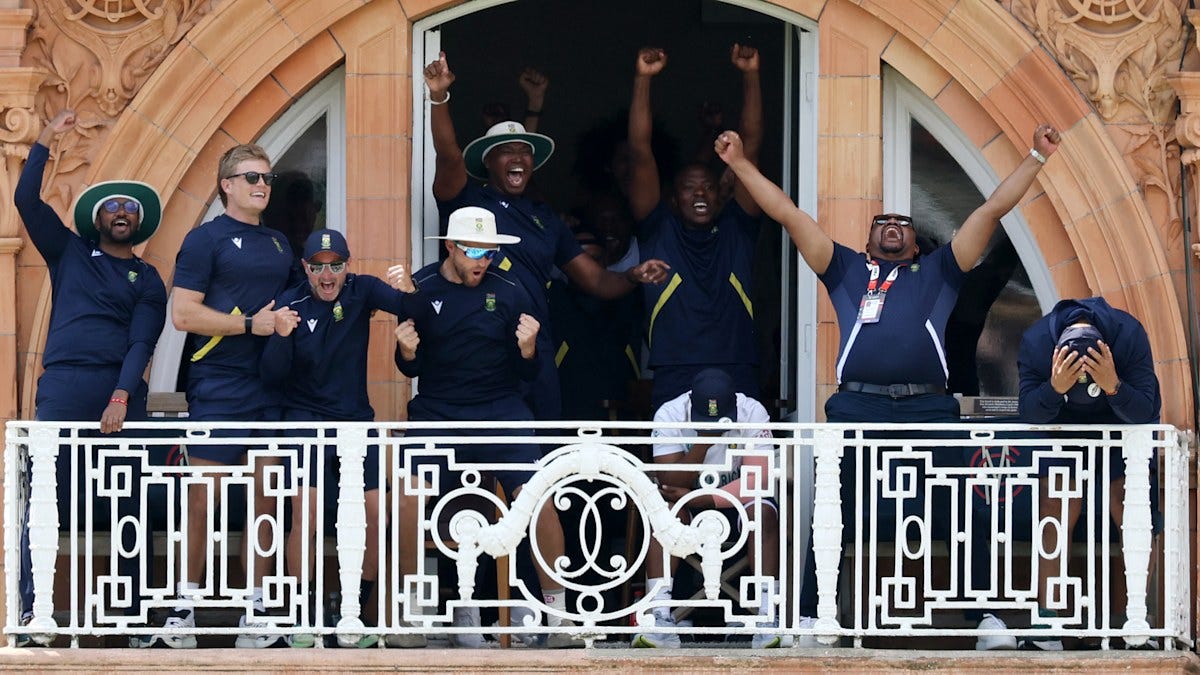
When Verreynne drove the full-toss to cover-point, and SA won - Temba had his head in his hands. A reel from his childhood must have run in his mind.
As I have said elsewhere, Test cricket is poetic and sometimes it delivers justice. You can sandpaper it, televise it, stream it on OTTs, sell it to sponsors, play it in Lord’s or Eden Gardens or Gabba, put on sunscreens and sweaters and commentary boxes full of the people who know all about the game - but it still finds a way to tell a story like this.
One man, limping on one leg, the man of many firsts, shanty towns, oppression, passbooks and segregation in the bloodline - deposits four centuries of chequered history into the second tier at midwicket.
At Lord’s, of all places. The long room, the old colonial carpets, the smell of teak, the ‘unachievable MCC membership’, the portraits of men who wouldn’t have shaken his hand, with team-members whose families may have been his families’ masters in the past, the 150 years history of the game - all of them, people alive and dead forced to see him take the mace and clap when he walked the long room.
Temba Bavuma didn’t just win a Test match. He won something that won’t be visible in the match scorecard. He reminded everyone that the game isn’t just played on the field. It is played in collective memory, in vocabulary, in who gets to walk where without needing to apologise for being there.
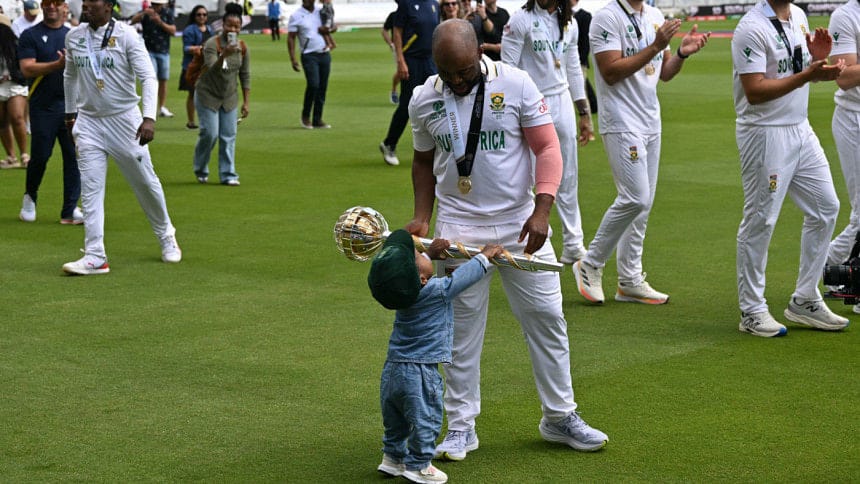
Bavuma’s reaction after the win wasn’t loud, his post match presentation wasn’t pompous. It didn’t need to be. Sometimes, history doesn’t arrive with fireworks and Queen’s English. Sometimes, it just walks through the front door - and, nobody stops it.
And if you're still unsure what this all means, just remember this: the 160 cm tall kid from Langa is now written into the game’s memory and this time, they will call him the captain of South Africa.
The drafts of this article were read and edited by , , Neelima Singh and Ayush Shrivastava.
Follow for more: https://twitter.com/oshosidhant. All images and videos from the internet.
https://www.janvaneyck.nl/site/assets/files/2312/baldwin.pdf