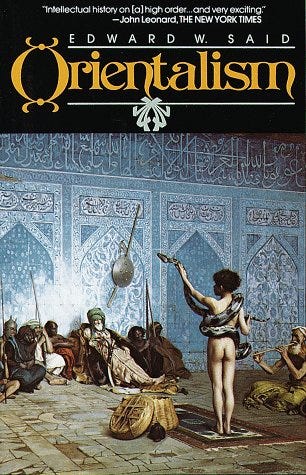
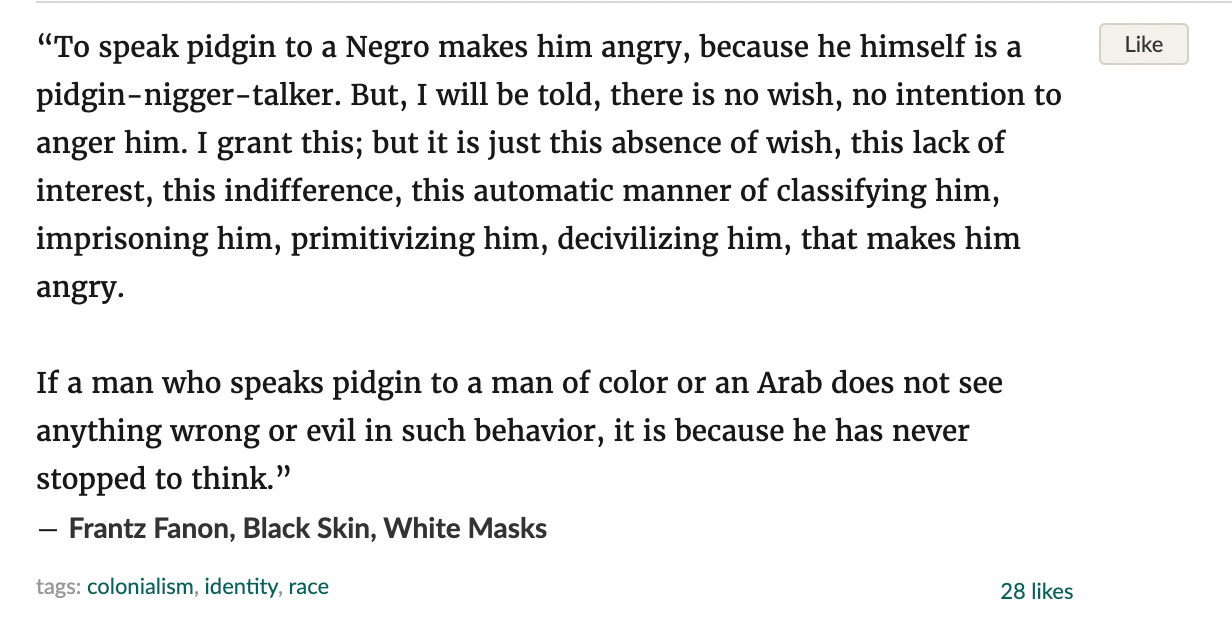
Edward Said’s Orientalism makes an incisive point: The problem isn’t the “other.” It’s the ones who look like us, yet actively undermine and undervalue their own. Franz Fanon, in Black Skin, White Masks, discusses this psychological colonization in depth.
This internalized narrative of inferiority plays out in so many ways. Let me walk you through three recent examples.
1. Gukesh Becomes World Chess Champion
Gukesh achieved a monumental feat—becoming the World Chess Champion. But instead of celebrating, some in India nitpicked:
“He didn’t beat Magnus.”
“Liren blundered.”
“He’s not as good as Fischer or Karpov.”
For some, the Slavic legends of chess—Tal, Kremlin, Karpov—will always be the gold standard. And it goes deeper. It’s almost as if they’d trade their brown skin for a Slavic self, just to feel more “worthy.”
This isn’t new. Think about Cassius Clay (later Muhammad Ali). When he stepped away from boxing in the wake of the Viet War - nobody questioned the legacy of the World Heavyweight Champions like this.
So, why do we do this to our own achievers?
2. Md Siraj vs. the Aussies
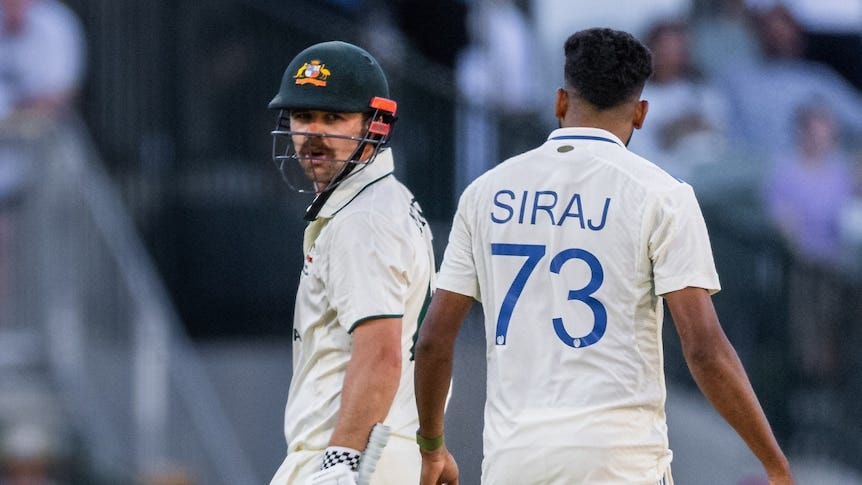
During the Border-Gavaskar Trophy, Siraj had a face-off with the Aussies. An Aussie said, “I didn’t abuse Siraj,” and many of our own believed him without question. Worse, they turned on Siraj, calling him names.
Why is it that Siraj giving a send-off feels “against the spirit of the game,” but the decades of racist abuse hurled at Indian cricketers barely make a dent in their memories?
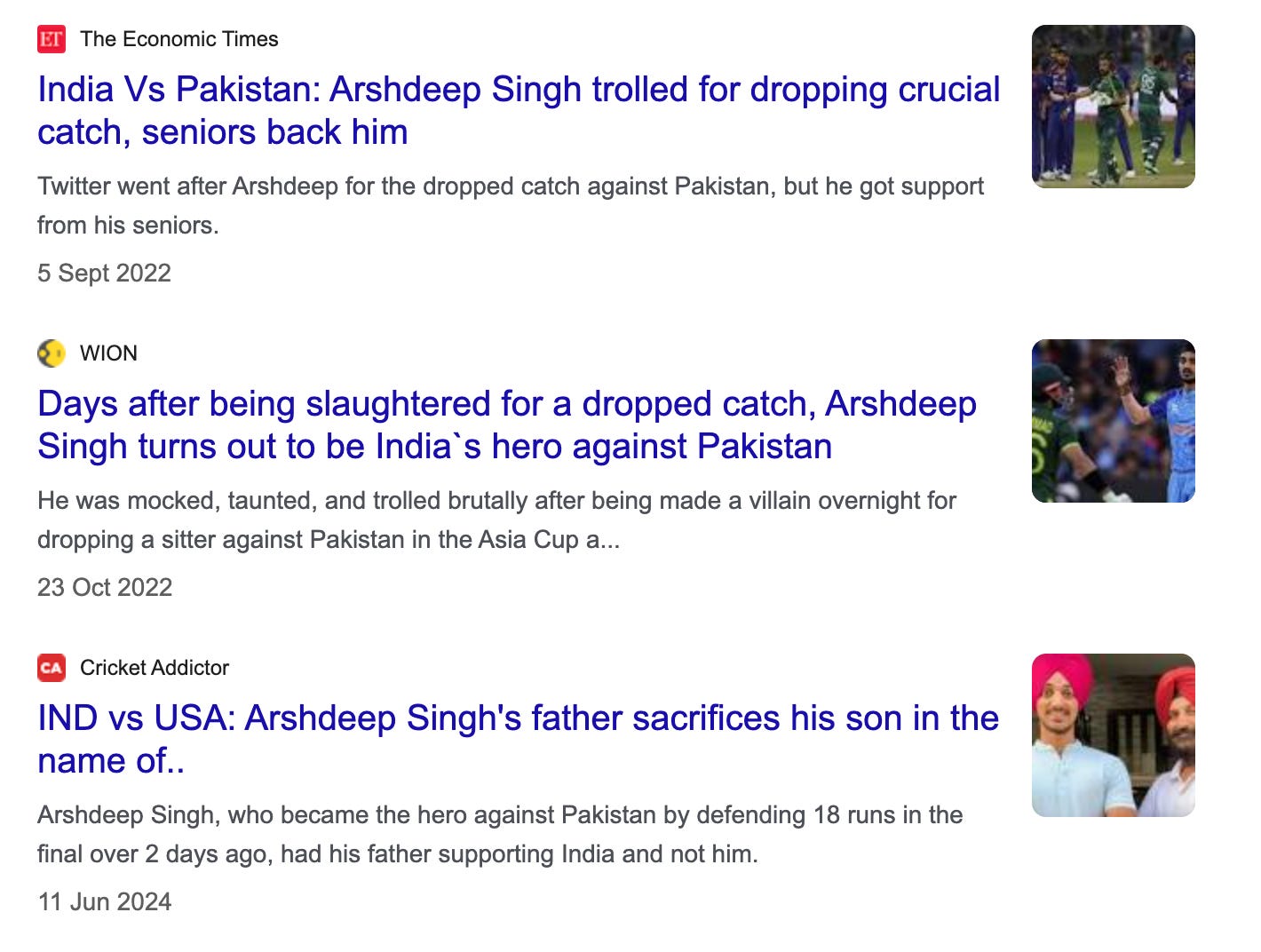
When a turbaned Indian fast bowler drops a catch, the same crowd unleashes unimaginable criticism. Why this double standard? Why are we so quick to side with the “other” against our own?
3. Culture, Food, and Language

Pushpa 2 is raking in box-office numbers, but cinephiles dismiss it. Why? Because it’s not Kubrick or Sorkin. A ₹500 tortilla at a café? Cool. A ₹50 aloo parantha? Not cool enough.
Our slangs, too, come from the West. Imported tags like “boomer” or “millennial” don’t even fit our context, yet we use them. And why must we speak Queen’s English to check into a fancy hotel or bar? Why isn’t Indian English, with its own rhythms and identity, enough?
What’s Really Happening?
The issue isn’t just Western gatekeeping—it’s us gatekeeping ourselves.
Take Korea as a case study. They’ve been exporting their stories for decades. Look at what Parasite, BTS, or even their global cuisine push has done. They’ve given their people—and the world—a reason to vibe with their wins.
Why can’t we?
We have stories, wins, and icons. But we undervalue them.
If we don’t hype our wins—if we don’t tell our stories with pride—how will anyone else?
The Solution: Tell Our Stories
We need to change this narrative. Let’s celebrate our wins. Let’s tell stories that vibe with our people.
Relatable, proud, and unapologetic stories—on the biggest stage possible.
This isn’t about movies or sports or food alone. It’s about reclaiming pride in who we are.
What do you think?