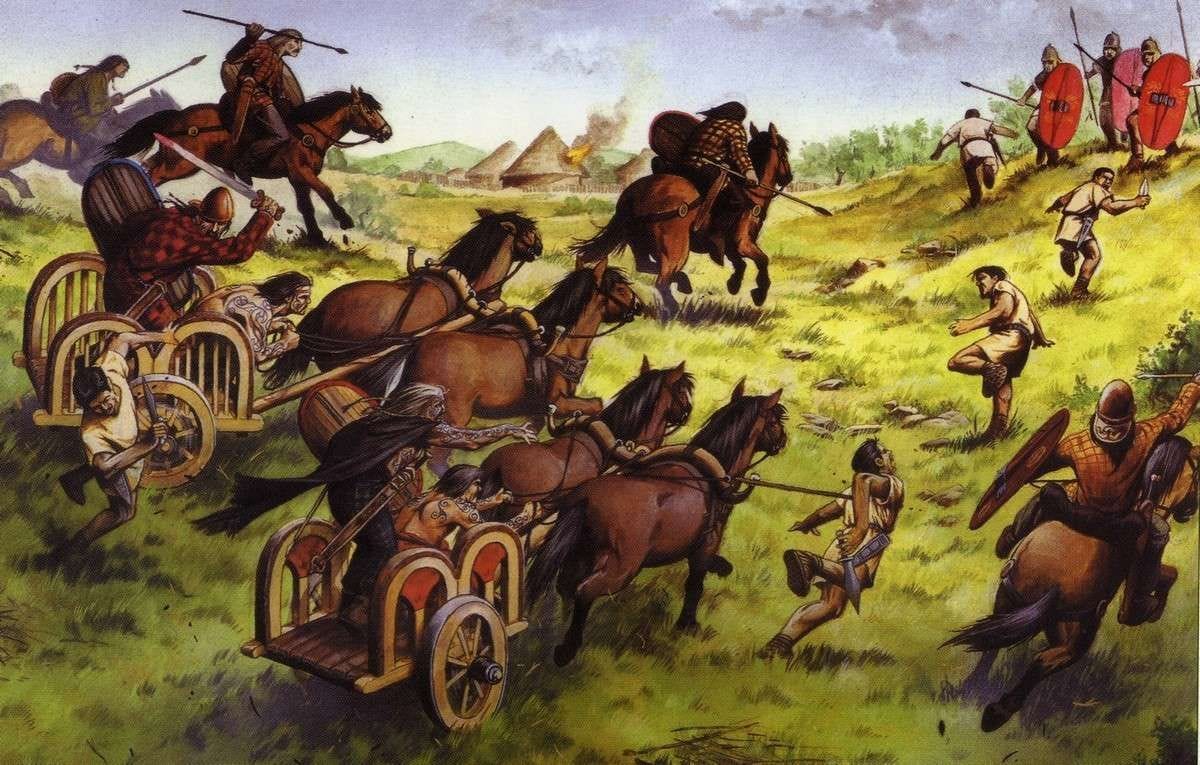
During the Iron Age(1200BC-500BC)1, nearly every kingdom/principality armed itself with the fruits of iron: swords, machete, daggers, arrowheads and spears. Nascent forms of steel spread - blacksmiths, weapon makers, forges and anvils became commonplace and the novelty of having a weapon became ordinary. Empires were made and vanquished not by who owned the weapons, but by who mastered them.
The best warriors and swordsmen stood apart by how effectively they could kill.
Winning battles was not in the iron or weapons. It was in the skill to kill - the discipline and judgment diffentiated the winning armies and the one sleeping with the fish.
Today also we live in similar times. The Iron Age of our time is the advent of AI and the various avenues it has opened up. LLMs, platforms, wrappers, compute and apps are available to nearly all - armed with a machine to run Chrome and a good enough internet connection.
And in the wake of it: Why am I not impressed with fucking $5 video clips and 15 cents(or free) generated pictures, and nearly free(yet astronomically expensive in compute and consequence) AI-generated text posts. I am cautious when I say - if a thing/technology makes you feel smart when you are average, you have been digging you own grave. The illusion of being smart/creative/intelligent is dangerous for the self.
For instance; I copy/paste a prompt created in ChatGPT into a gen-video model and it vomits back a flat .mp4 - I get the illusion that I made that video clip happen. No I didn’t. The machine did it, and it was trillions of dollars of compute which made that clip happen.
I wonder if it is the same story over and over again, where the person who knows how to wield a sword will win, not the person who has the illusion of knowing how to wield a sword.
And that brings me to the next argument, what if the fruits of AI aren’t products, rather we are. Three billion users with access it to these tools and subsidised ‘intelligence’ is justified as a marketing expense.
iron and swords: skill over blade
Spartans/Greeks/Romans and Persians trained from the early age to be a warrior - even before puberty. Further east in India, King Ashoka and Chandragupta Maurya shaped great contiguous empires by using the blade. In Japan, warrior cultures and later Samurai cultures embedded the code where the sword became an extension of character. Swordsmen like Musashi2 won not through sharper/tougher steel but through the effective use and tacit feel of a duel.
The reason to wield a sword is to kill not to put it on display as a shiny thing.

All the fruits of AI are at a threshold where everyone can prompt & generate and everyone feels intelligent.
Mastery lies in combining outputs into something meaningful and something usable. Similar to what it meant to have a sword.
The difference is not access. It is craft. And it always was.
horse: beast of mobility to vehicle of war
Although humans tamed horses in Central Asia way back in 3000-3500 BCE but they were largely beast of burdens then. A few millenium further(2500-1500 BCE), they were used in war - but the early depictions of horses in history is not cavalry. It is a bunch of horses pulling wagons or used in chariots in Sumerian/Akkadian and Egyptian frescos and art forms.
Chariot warfare happened to be the drone warfare of the Bronze Age.
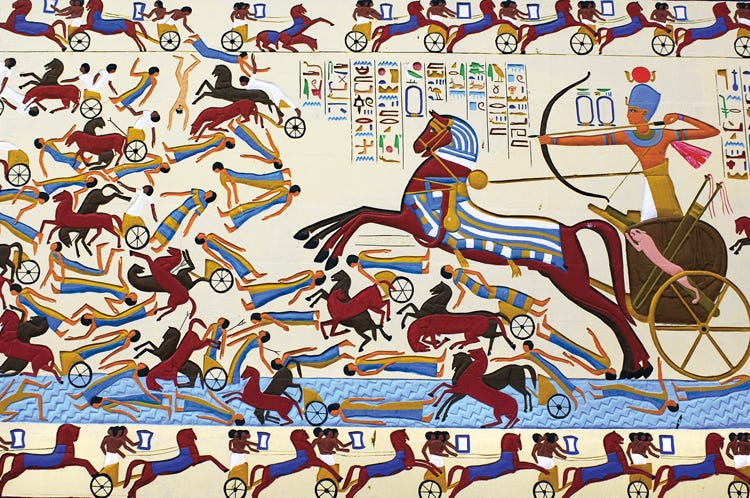
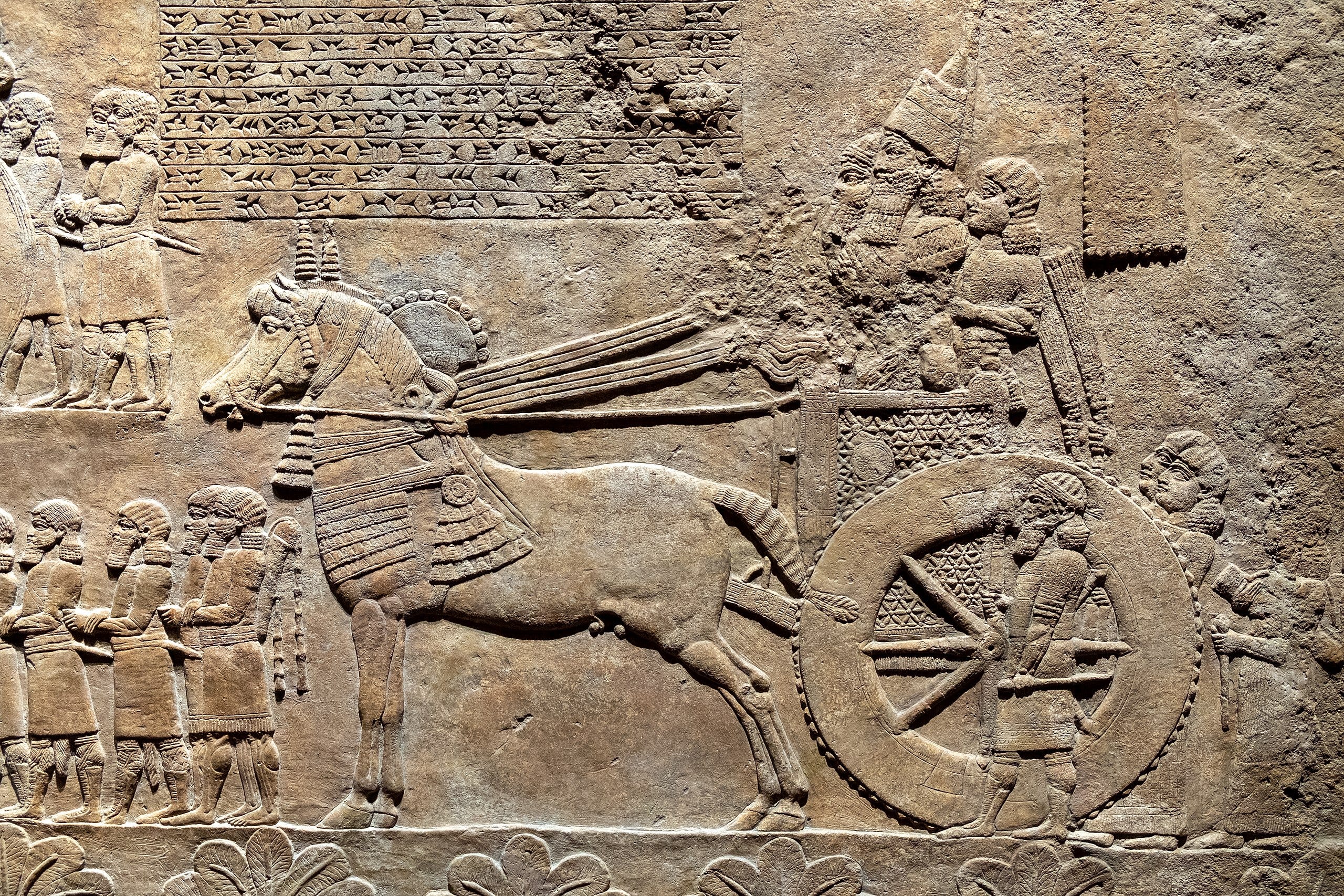
The effectiveness of horses in war multiplied when by ~1000 BCE, the people of grasslands(steppe people) like the Scythians honed the skill to shoot arrows from the horse tops. With the steel arrow tips and horse-mounted archers - mounted cavalry became central to warfare.
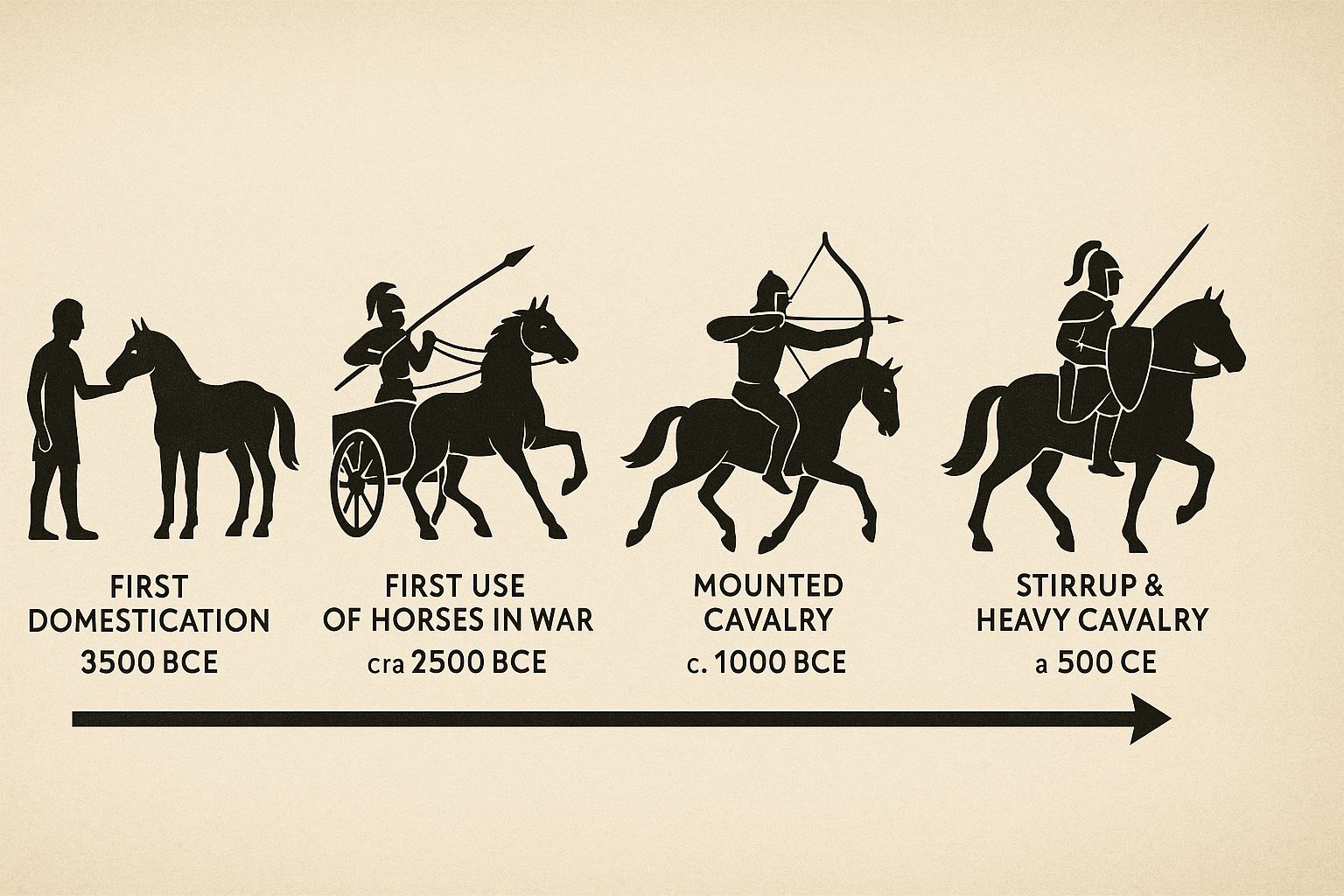
Early on, because the horses were small and not bred for warfare - mounted cavalry fought as a sideshow, often used for mobile skirmishers rather than as heavy shock troops. The stock of horses improved and the Scythians fought as mounted archers, mobility of the armies increased and with their hit-and-run tactics and lightning raids - they could traverse hundred of miles on horse back could could beat slower chariot-based armies.
And slowly, the same warring techniques reached Persians, Greek and the Mauryans. Herodotus(5th cent BCE)3 writes about the dominance mounted cavalry.
Later on, the Huns under the leadership of Attila, dismembered the Roman Empire.
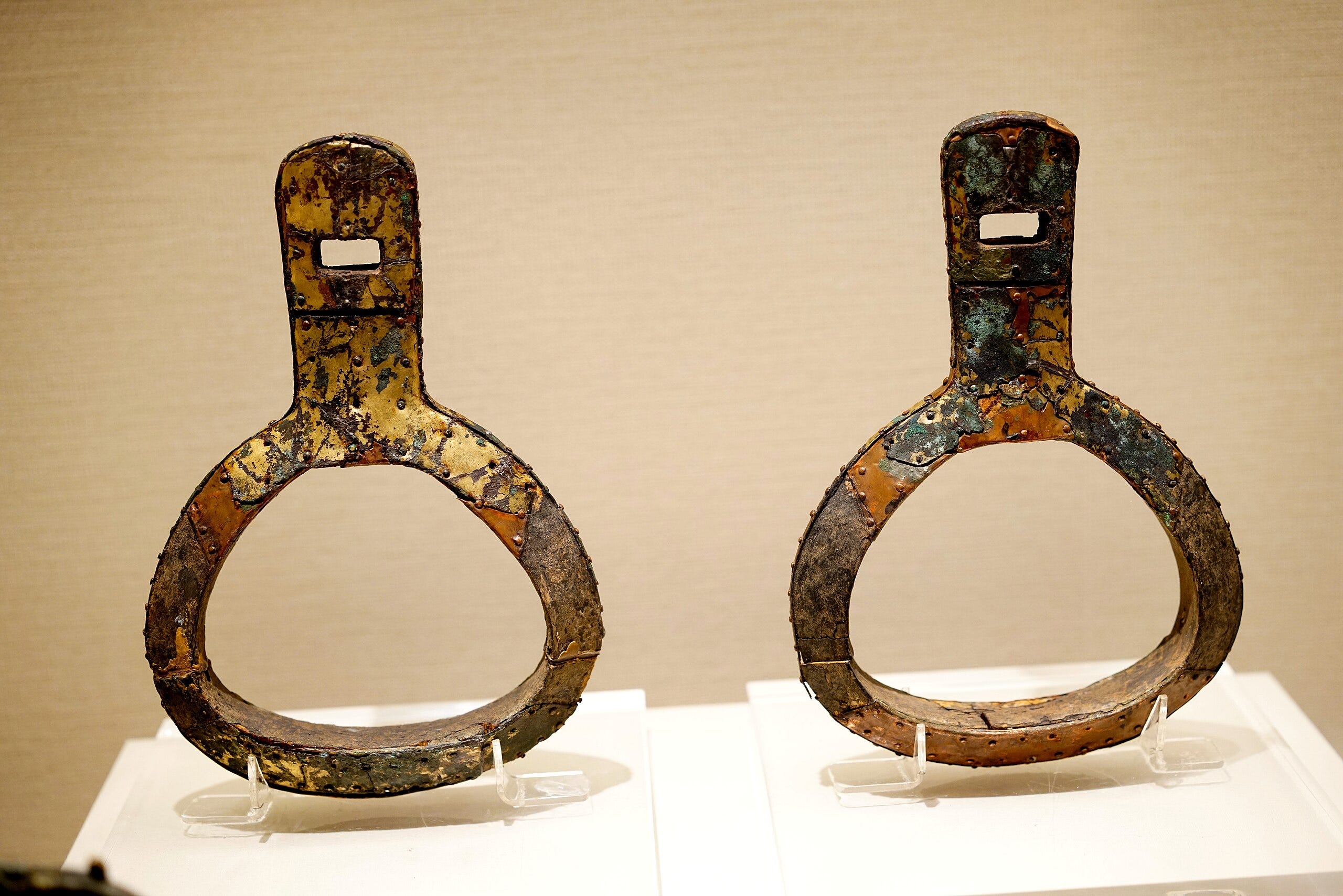
Only this time around, they had perfected horseriding by employing stirrups4 on their horses. With stirrups, falling off the horse became rare and gave more control to the cavalry - and this led to heavy cavalry being employed in warfare. And goes without saying that the most fearsome riders emerged from the grasslands of Central Asia - both Turks and Mongols.
Riding was native to their lives. It was impossible for agrarian/sedentary armies to replicate quickly. No surprise that the Ottomans and the Mughals, born of the grasslands, ruled for centuries.
AI and all its fruits today are a form of horse to be used in warfare for me. The advantage goes to those who are from the grasslands of domains where horses can be used.
Tech bros who live inside a bubble where taming horses is more important to them than understanding warfare will move with the speed of primitive cavalry. Those from the grasslands of domains aided with the fruits of AI will move with the speed of nomadic cavalry.
And I don’t think it is about the horse but the ones who will ride it to war.
https://www.history.com/articles/iron-age-tools-innovations
https://www.britannica.com/biography/Miyamoto-Musashi-Japanese-soldier-artist
Would suggest to read his book(The book of five rings) - consider him to be the Japanese Machiavelli. Link to the pdf
https://websites.uta.edu/hunnicut/reading-list/readings-western-civilization/herodotus-the-battle-of-plataea/
https://en.chinaculture.org/created/2005-07/21/content_70825.htm