Firstly, context.
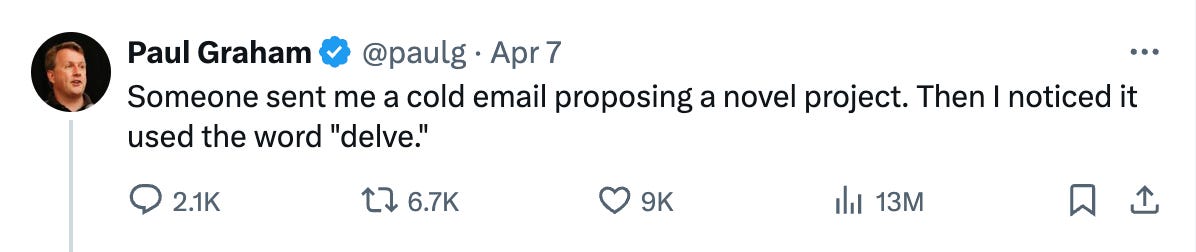
@paulg | X
To the above tweet - below is my reply.
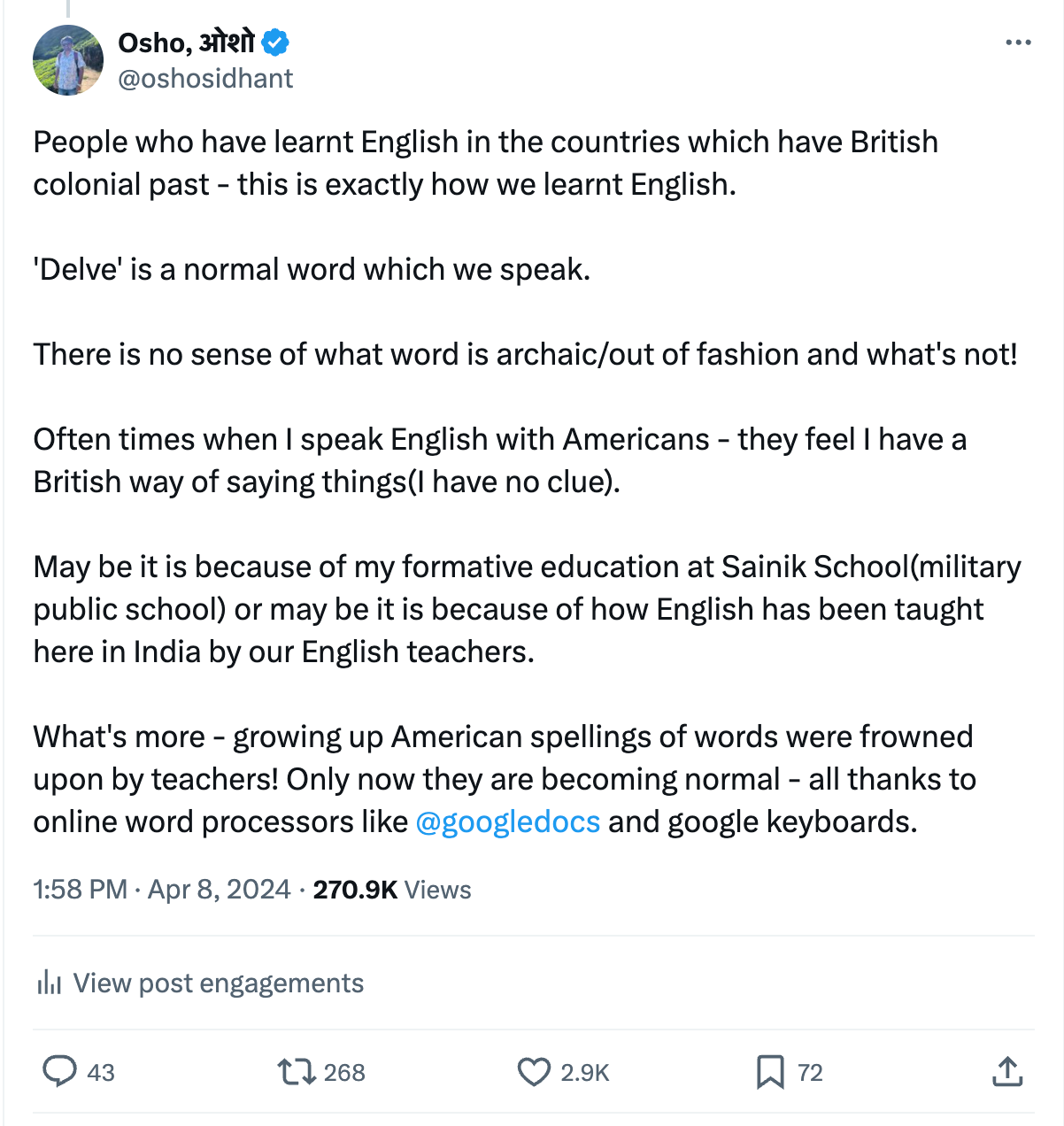
@oshosidhant | X
This tweet resonated so well with people from Nigeria, Ghana and other West African nations.
Never knew we are so different yet so similar.
Now I know why I loved Ben Okri and his writing style growing up.
@TendaiHuchu wrote a brilliant book a few years back - The Hairdresser of Harare. Found the writing style very similar to my own and even fluid.
We didn’t choose English - the language chose us. The language English is more like the sport of cricket. We had no business playing cricket - and here we are the richest country in terms of revenues generated by the game. In every nook and gully of the country - kids are wielding the bat and shadow-batting to hit one through the line. Here’s me shadow-batting.

Similarly, we Indians outnumber the speakers of the language anywhere in the world - folks like Harsha Bhogle and Shahi Tharoor bring the best English native speakers to shame.
Here’s what VK Krishna Menon had to say when someone complimented his English during his stay on the little isle.
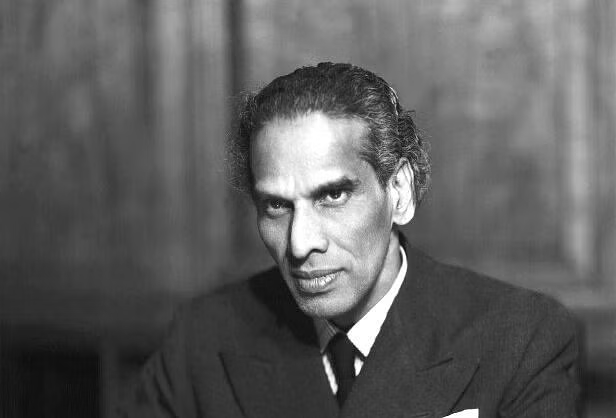
In London, Menon responded to novelist Brigid Brophy: "my English is better than yours. You merely picked it up: I learnt it."
Coming back to the language - I will choose a few English words and tell you how we have made the language our own.
Bloody - it is the goto slang Indians pick at school. All those who have been to public school of any kind would attest to that. I picked it in class 6th - I hardly see other people who use bloody that often. Such a beautiful word - can be paired with local expletives and sounds nice. Don’t believe me, try uttering ‘bloody bc’. Has that alliteration to it.
Shall - if you have learnt English the way it is to be learnt you must pair ‘shall’ with ‘i’ and ‘we’. Can’t be sure about other Anglophone nations in the world. To be honest, the West killed the world ‘shall’.
Ought to - I don’t remember the last time when I heard ‘ought to’ from a native English speaker. I am no native - ‘ought to’ sounds much nicer than ‘should’.
Use of Modal Verbs - If you have learnt English from someone like a Mr James - my English Teacher at Sainik School - he studied to be a priest, and ended up being a teacher - his formative English was learnt at the seminaries and often the copy of Bible which he took home and that virtue trickled down to all the students at school. We still use the complete spectrum of modal verbs.
Prepositions(कारक ) - I know the difference between ‘being at the hospital’ and ‘being in the hospital’. कर्ता ने, कर्म को, करण से, संप्रदान को, के लिए..so on and so forth.
No unnecessary shortening words - Aussies make afternoon ‘arvo’ and the Americans make pregnant ‘pregs’ - not us.
However and nonetheless/nevertheless - the two words mean the same but the feel is very different. I don’t remember seeing ‘nonetheless’ or ‘notwithstanding’ anywhere other than the legal docs.
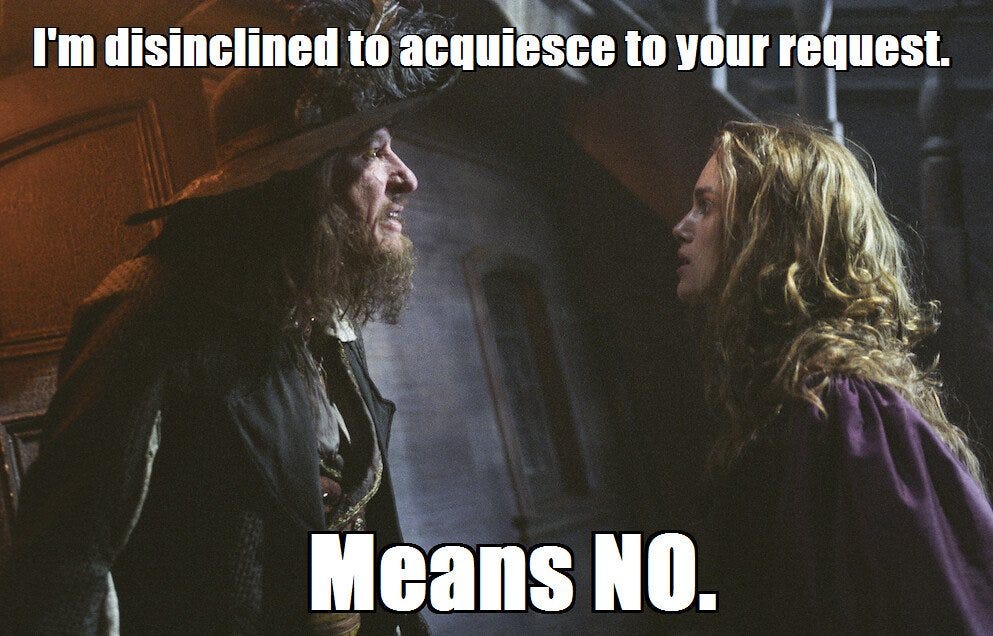
"I'm disinclined to acquiesce to your request.” - now this would be perfectly fine by me.
Well, that will be all.