In Football, a goal is a goal. In Tennis, a game point is a game point. In sprints, one microsecond is one microsecond. Once a goal is scored or a foul is done - the argument ends. The scoreboard becomes paramount.
Football, tennis, athletics - these are sports of rules. Technology in these sports exists to erase ambiguity in decision making: Hawk-Eye, goal-line technology, photo finish technology. The purpose of technology is not interpretation but verification. The rules are executable.
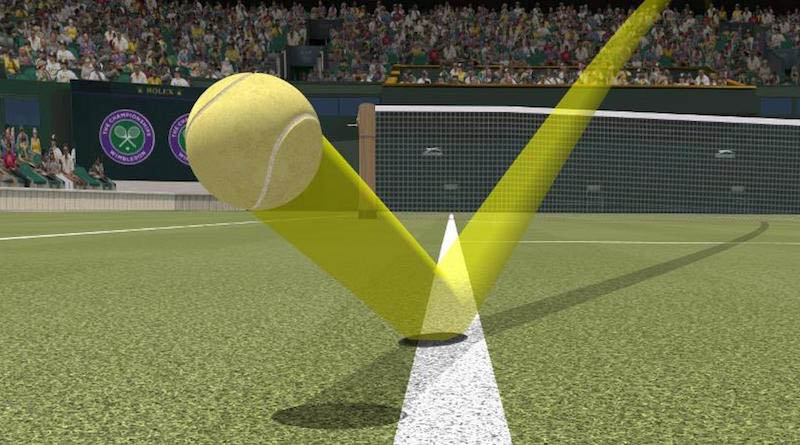
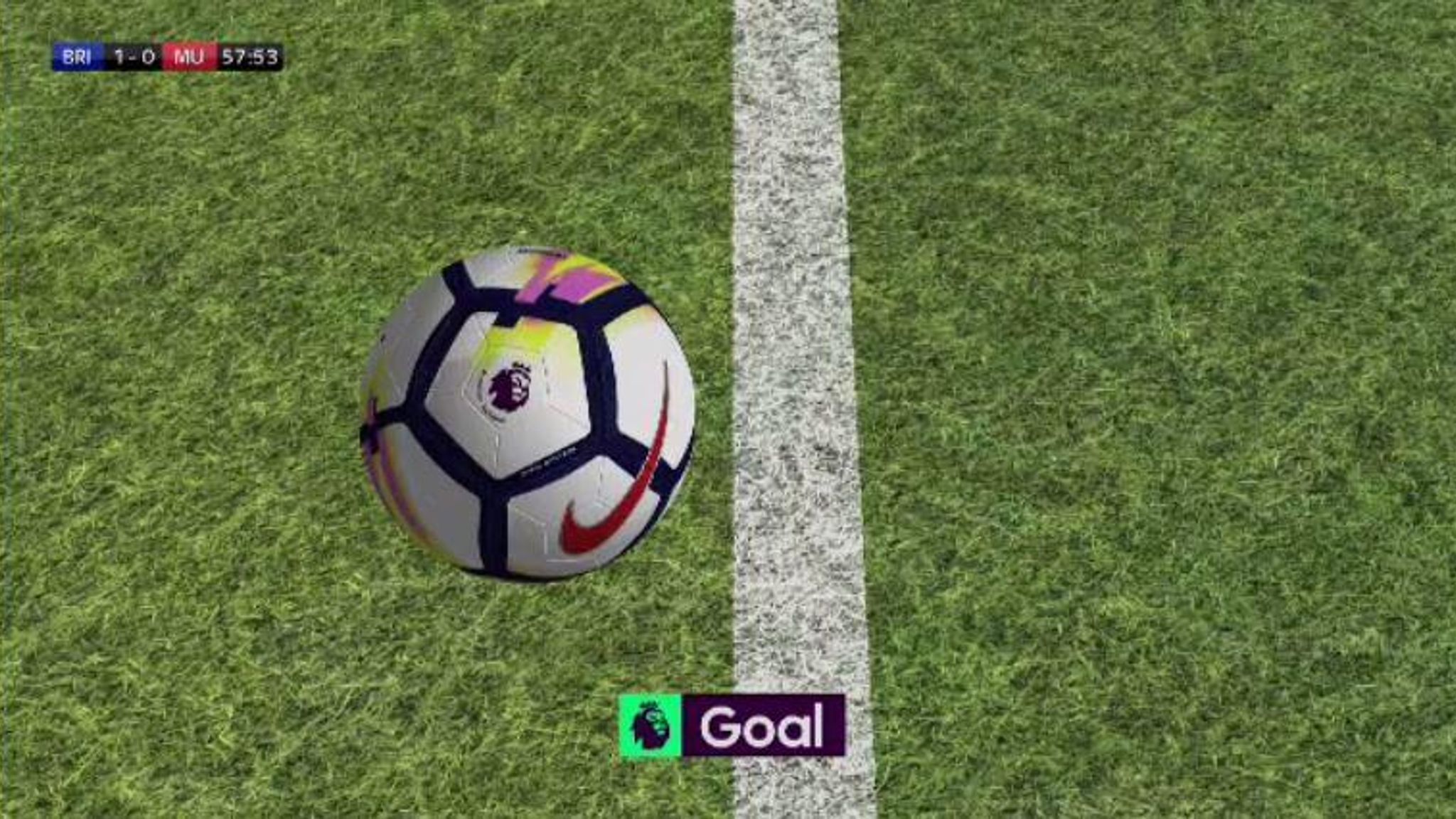
Cricket actively resists finality. Cricket is, by design, an inexact sport.
From its very grammar, its history, cricket embodies a different philosophy. It does not speak of rules. It speaks of laws - codified by the Marylebone Cricket Club since the 18th century. Rules demand obedience whereas laws require judgment. Rules assume uniformity but laws take context into account.
Cricket can not be played without context. Context of time, of place, of intent and of decaying pitch. Remove context, and cricket collapses into an unrecognisable game.
Inexactness at the Toss
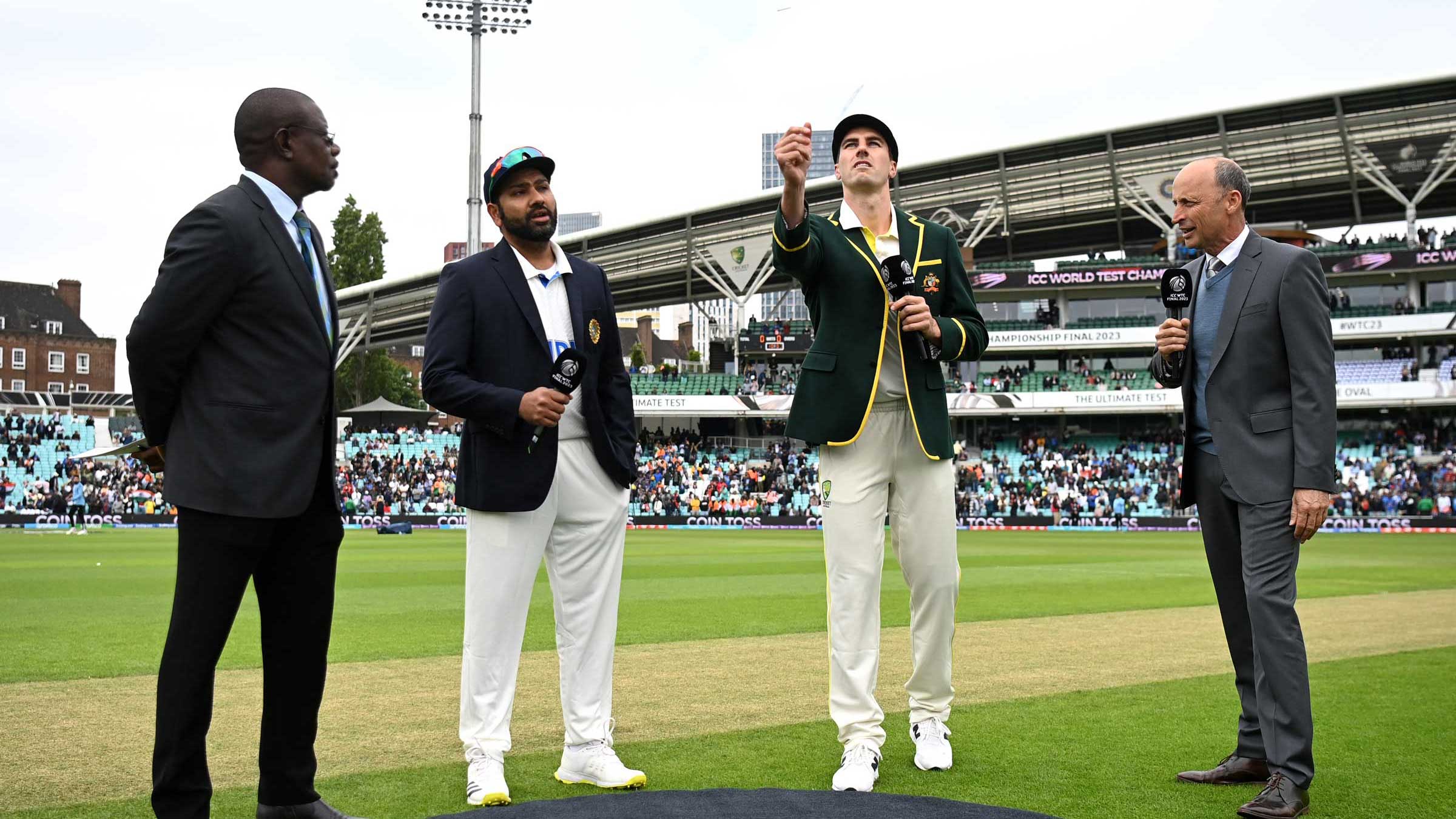
The first action of the game, the toss, itself is an arbitrary act that can tilt an entire match. Bat or bowl? Under these skies? On this pitch? With rain forecast on days two and three? In no other major sport does a random pre-game moment so heavily shape decision-making and outcome.
Cricket is played in unstable time - not homogeneous time but situational time. A morning session is not equal to an evening session. A red ball behaves differently in the morning to what it does when it is 50 overs old. A pink ball behaves oddly at the twilight hours and like a new red ball in the afternoon. A white ball behaves differently in dewy conditions.
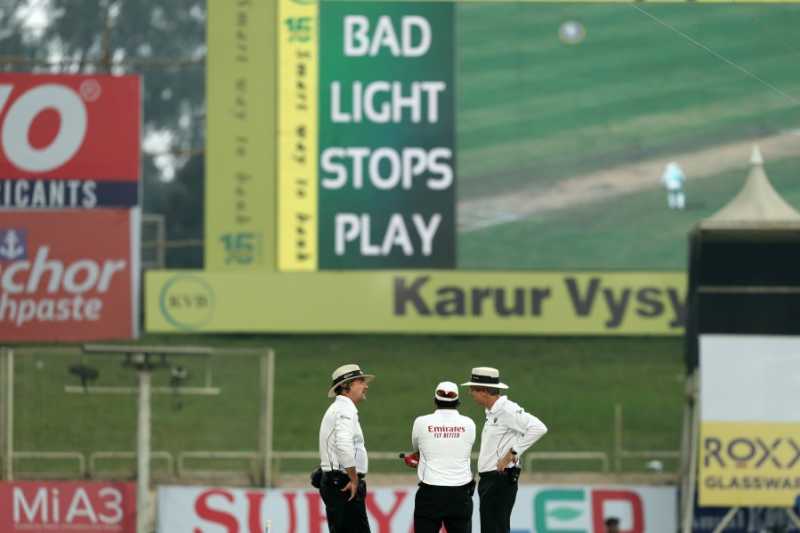
Light fades. Bad light stops play not by a fixed meter but by human perception - by judgment. Sometimes, rain interrupts rhythm. Momentum is lost to a drizzle that lasts ten minutes and costs an hour. Sessions are shortened, overs recalculated, targets revised.
In the shorter formats, mathematics is asked to repair a broken reality.
The Duckworth–Lewis–Stern method(DLS) does not reward who played better cricket, it rewards who optimised uncertainty more efficiently - who utilised their resources better under expected disruption.
DLS is indifferent to how runs are scored - only when and with what resources.
Under revised conditions, targets change mid-innings, the quota of bowlers change, what looked like a good score starts looking like a bad one - in a span of 2-3 hours. Strategies collapse and get rebuilt in real time. A team cruising through middle overs, suddenly needs twelve an over because some clouds didn’t stop pouring. And sometimes, players respond exactly as humans do when rules turn elastic - they game the system. Injuries appear at convenient moments, time slows down strategically, and everyone knows what is happening but pretends otherwise. The Oscar, of course, goes to Gulbadin Naib.
Exact sports do not renegotiate the past. Cricket does.
In football, if there is a hailstorm or any obstruction in the game, the trailing team doesn’t get punished by asking them to play for reduced time.
Unevenness by Design
Most sports try to neutralise geography. In cricket, it is weaponised.
A pitch in Chennai that crumbles by day four, a green top at MCG that swings sideways from the get go - these are not flaws. They are identities. The pitch is not neutral ground, it is home territory advantage. Cricket does not equalise surfaces because it treats adaptability itself as merit.
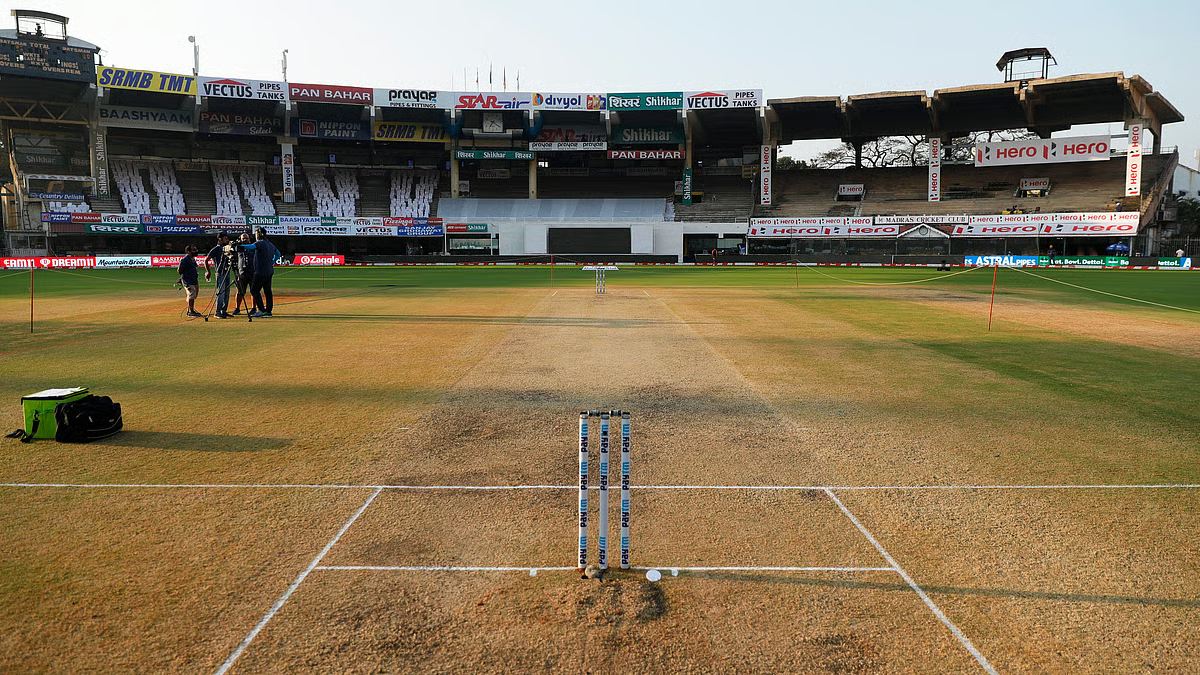
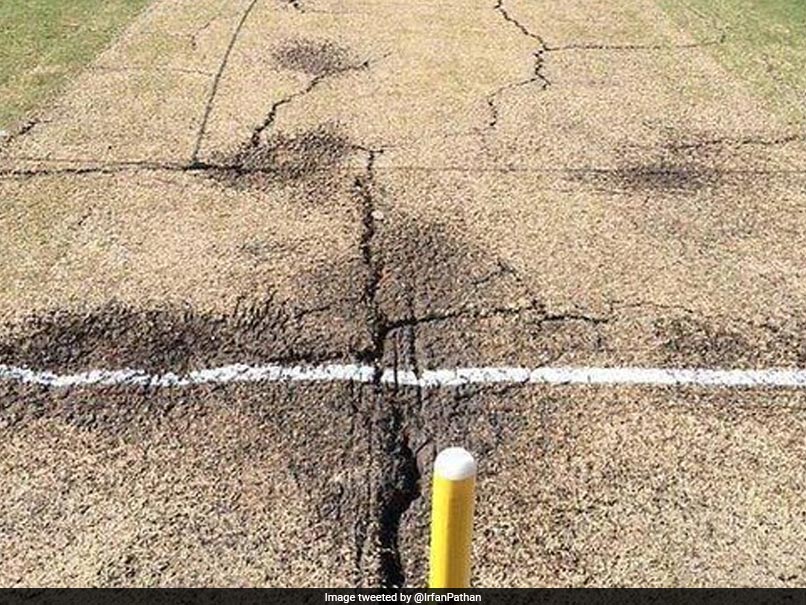
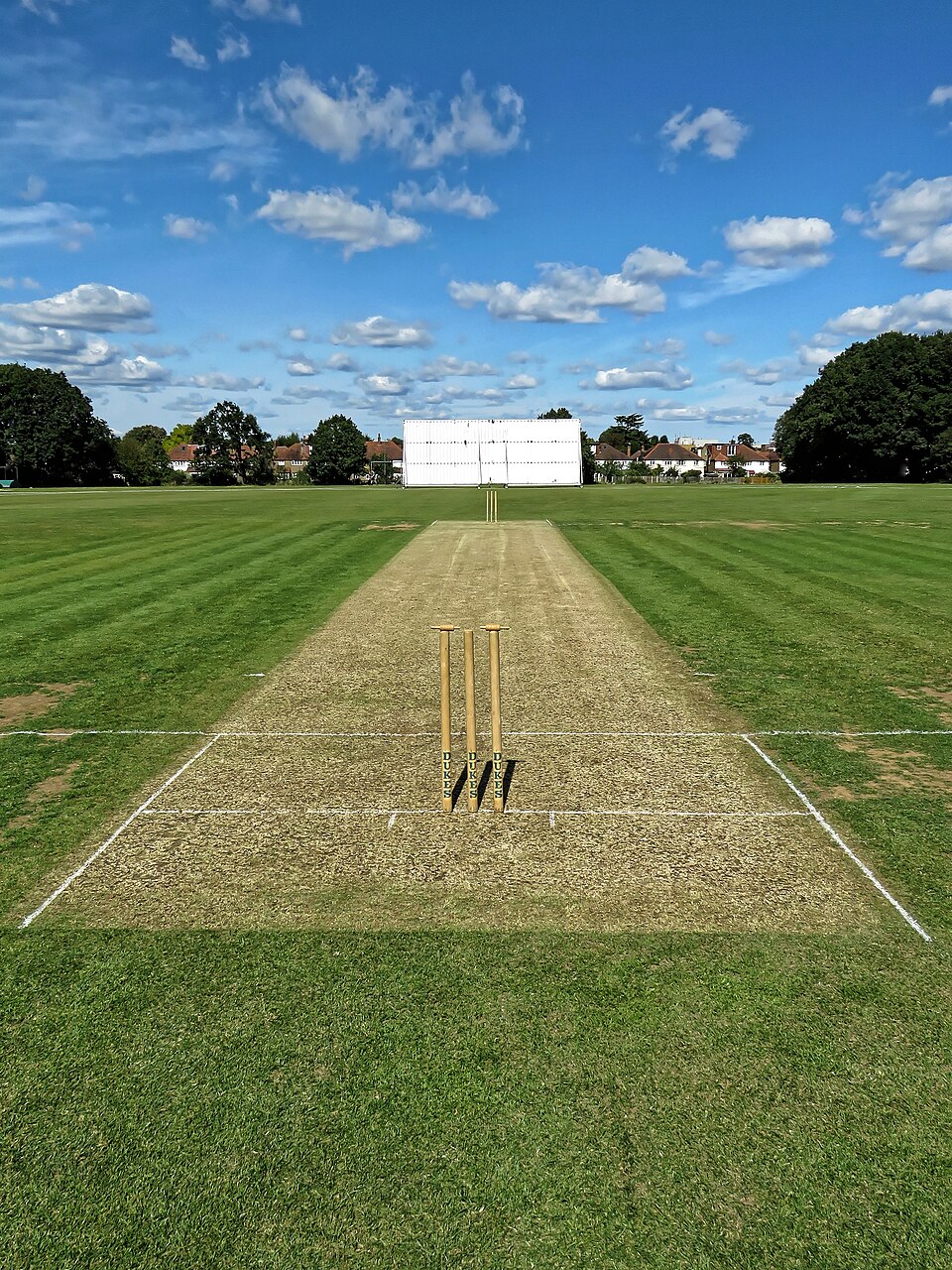
In cricket, home advantage is not psychological. It is geological.
Grass left on or shaved off a pitch is a decision. The use of Black Soil(favoring spin) on a pitch is a decision. Rolling done heavily or lightly is a decision. Moisture retained under covers, cracks allowed to bake in the sun - these are all acts of intent. The laws allow it. The game expects it. And curators live by it.
This is why excelling overseas matters so deeply in cricket. Recently, a former Aussie great Matthew Hayden, bet to run naked in Australia if Joe Root didn’t score an Ashes century(his first in Australia). A batsman from the subcontinent arriving in England is not just facing bowlers - he is confronting air density, cloud cover, seam movement, extra bounce, lateral deviation. A fast bowler landing in India must adjust his bowling on slow, low surfaces where pace is punished and patience rewarded.
The imbalance is not accidental. It is the test. Cricket does not promise equality of conditions. It demands adaptability as skill.
The Ball
No object in modern sport is treated with more intimacy - and more suspicion - than a cricket ball.
Players are allowed to prepare the ball. They shine the ball, rough up the other side, throw it into hard surfaces, sweat on it, and until recently(apply saliva). The cricket law does not say “do not touch the ball.” It says “do not unfairly alter it.”
Here the word - unfairly - carries the entire moral weight of the sport. The Overton Window on this ‘unfairly’ can be debated for hours and still we would reach no conclusion.
Reverse swing is not written into the laws. It emerged from players understanding fluid mechanics, air flow, seam position, degradation of the ball. It was invented/discovered in the badlands of Pakistan where the pitches are like highways - with little to no purchase for the pacers.
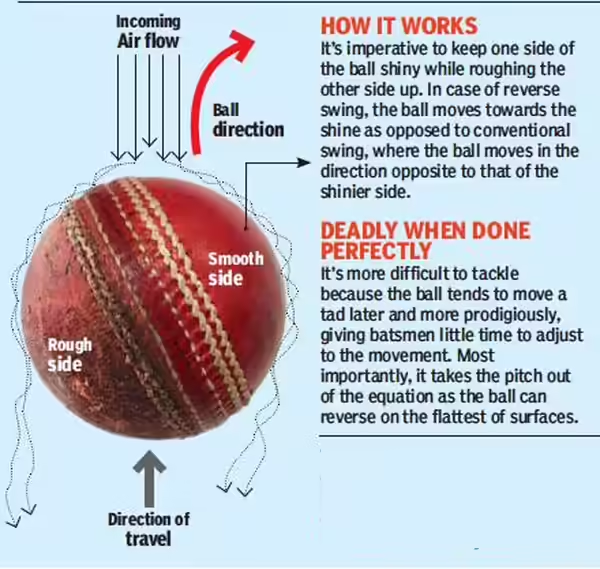
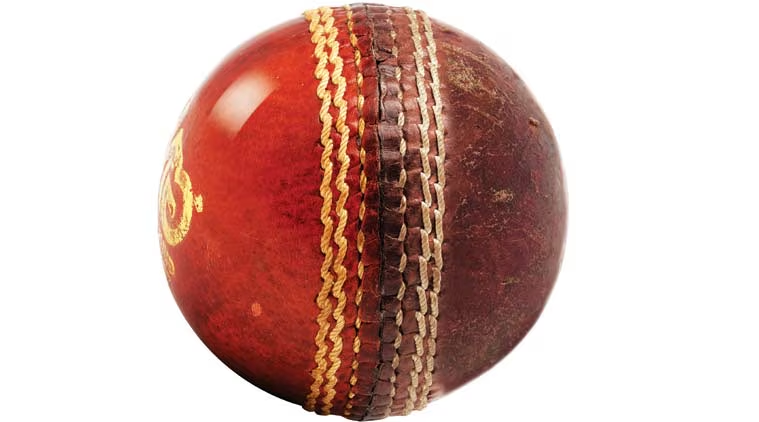
Reverse Swing is an acquired art. The ball has to be prepared, it happens to be a team effort. An effort of half an hour can be ruined if not for preparing the ball correctly. It rewards discipline, sly expertise, and the slow manipulation of rough and shine. And the art itself lives precisely in the space between legality and illegibility.
And that is one reason why ball-tampering scandals never resolve cleanly! Mint spit is legal. Vaseline is not. Sweat is legal. Deliberate scratching is not. Dirt picked up incidentally is fine, dirt removed deliberately is not.
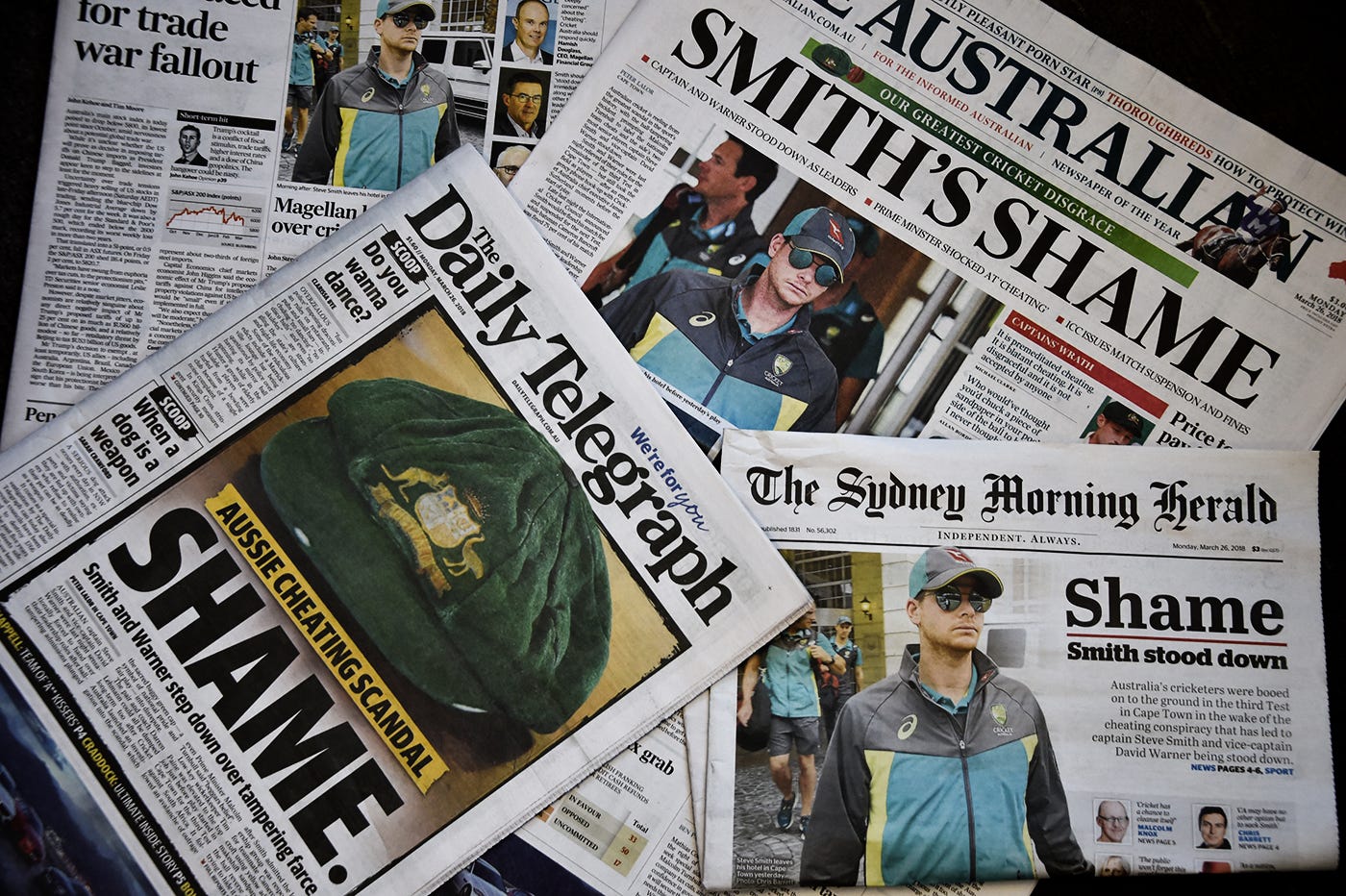
But intention cannot be measured. Evidence is always circumstantial. And sometimes it is not and becomes national shame - as in the Sandpapergate. Outrage happens to be always louder when you playing the game in its spirit, when spirit can’t be defined that precisely.
The controversy is never really about the ball. It is always about the morality of the act. It is about belief.
LBW and Edges - what?
Nowhere is cricket’s inexactness more visible than in a form of dismissal called leg-before-wicket.
LBW is not about where the ball went, but where it might have gone. Even with ball-tracking technology and edge-detection technology, decisions routinely end at “umpire’s call”. This goes on to say that certainty is unavailable in the game.
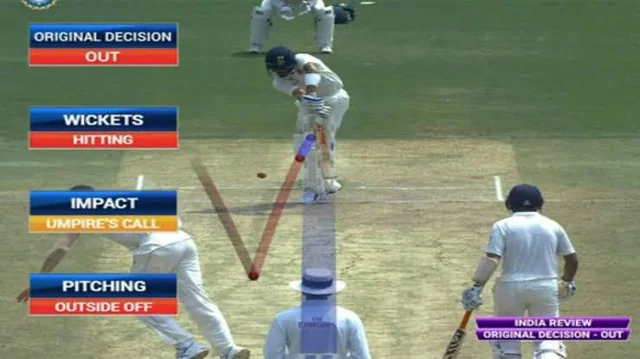
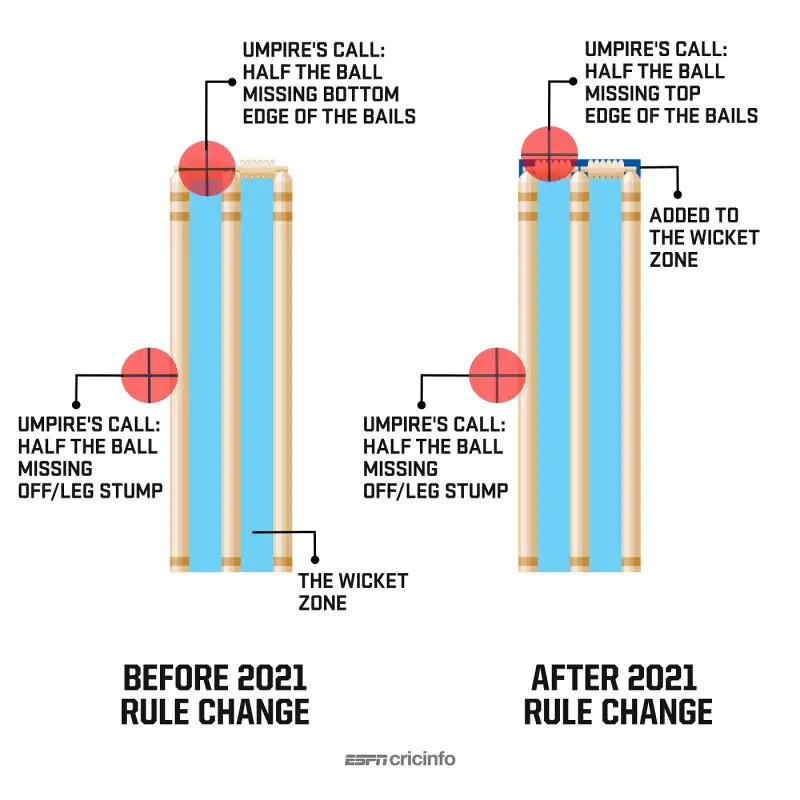
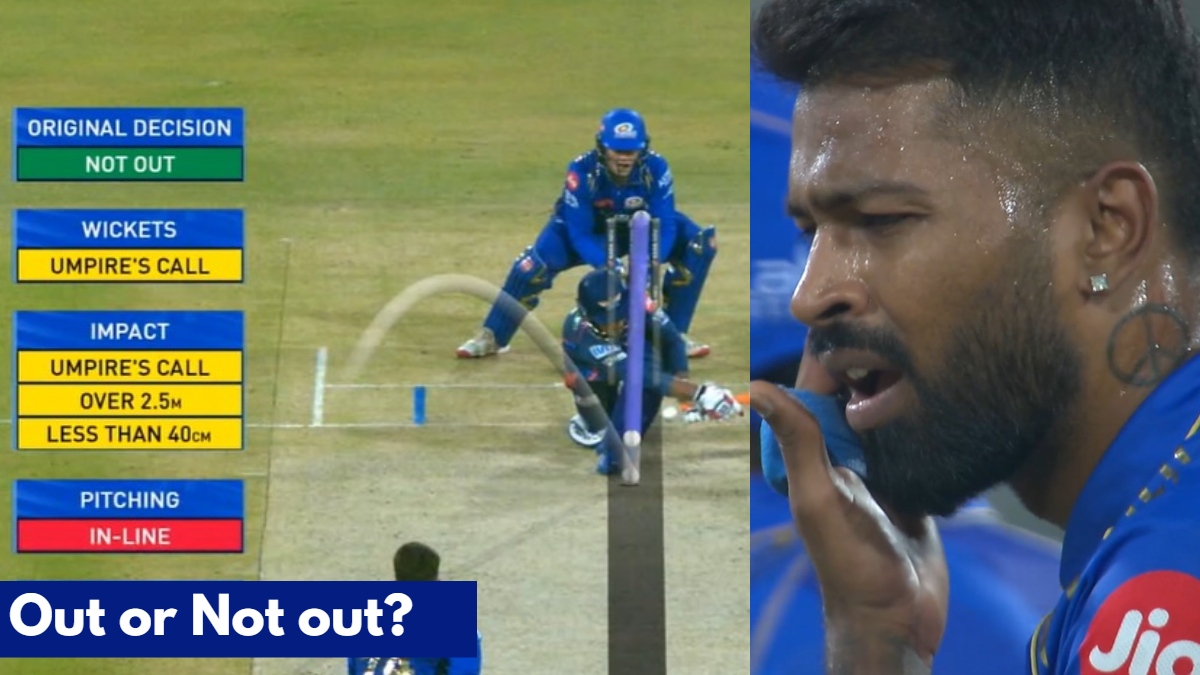
Bat-pad catches, glove catches, faint edges - did the bat brush the pad or the pad brush the bat? UltraEdge spikes, slow-motion replays, forensic angles, split view, and still there is a space for benefit of the doubt for players.
Soft signals persist, superseding the umpire’s first impression over technological reconstruction. This kind of stuff is unthinkable in tennis or football. In cricket, it is what the connoisseurs of the game live by.
Even slowing a moment down does not clarify a dismissal. Imagine how much of cricket happens in blur.
Intent
Cricket repeatedly expects the umpires to judge intent. Obstructing the field. Time out. Hit the ball twice. Mankads. Fake throws. Verbal intimidation.
None of these can be resolved by logic. They require reading human motive - and often depend on whether the opposite team even resorts to appeal.
When Ravichandran Ashwin ran out Jos Buttler at the non-striker’s end in 2019, the law was clear. But the outrage was nuanced. The law had always permitted it (MCC Law 38). What changed over time was not legality but moral consensus!
Rules do not evolve this way. Laws do.
Hue and Cry!
Cricket’s weakest moments have not been caused by illegality, but by legality - when reading between the lines of the law.
The Bodyline series was lawful. But it is also historic in the context of the game. West Indian greats bowling 6-bouncers an over was legal too, but it also broke jaws and crushed toes. The 1981(Trevor Chappell) underarm incident was legal but it brought a whole country into scrutiny.
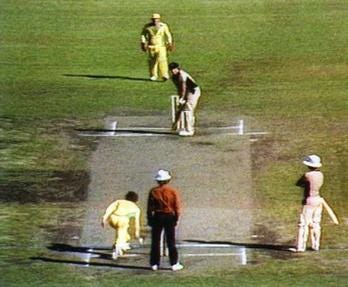
The response to all the above was not punishment. MCC ended up amending the laws rather reinterpreting the rules - the protectors of the game recognised that something legal had become unacceptable.
Cricket does not correct itself by replaying matches. It corrects itself by rewriting meaning.
Why Inexact Laws?
Cricket is a colonial sport. Until recently the apex body of cricket was called Imperial Cricket Council. The game was run by white masters in London for centuries. And like the various colonial Penal Codes, cricket inherited laws instead of rules - structures designed to be interpreted, not mechanically executed. They were left for interpretation, interpretive authority was historically concentrated in the cricket counties of England, not distributed in the colonies. That imbalance survives even today not in who plays the game, but in who gets the benefit of interpretation.
Rules are designed for systems seeking standardisation. Laws are designed for systems expecting difference.
Cricket assumes uneven pitches, changing weather, deteriorating ball, fallible humans, cultural variance, moral disagreements - as the part of the game. And we have built and revered a sport on top of these assumptions.
This inexactness does not eliminate uncertainty. It curates it. It bakes them into the game. It does not flatten advantage. It tests whether as a player can survive it.
This is one of the reason why results in cricket are never complete. A draw could feel like a win. Sportsmanship can feel like the spirit of the game. A win can feel hollow and bring shame. A century away from home can outweigh three at home. A 4th innings half century could feel a double century. A 2-hours vigil at the pitch on a deteriorating wicket to save a game could feel like classiest display of batting. Grit and character become street lores. Withstanding choicest abuses from the slip cordon gets archival treatment by the lovers of the game. Runs and wickets are often counted and make for the record keepers but context never leaves the scorecard, even if it isn’t written there.
In other sports, a goal ends an argument, a sprint ends a race, a point ends a rally. In cricket every decision, every shot, every behaviour on the field - starts a precedent. The lores get written in columns by cricket pundits, talked at the tea-shops in Bombay, pubs in Australia, the commentator’s box and in collective memory. Sometimes, it is argued across generations who weren’t even alive when a certain thing happened. The beautiful game of cricket remains alive precisely because of this.

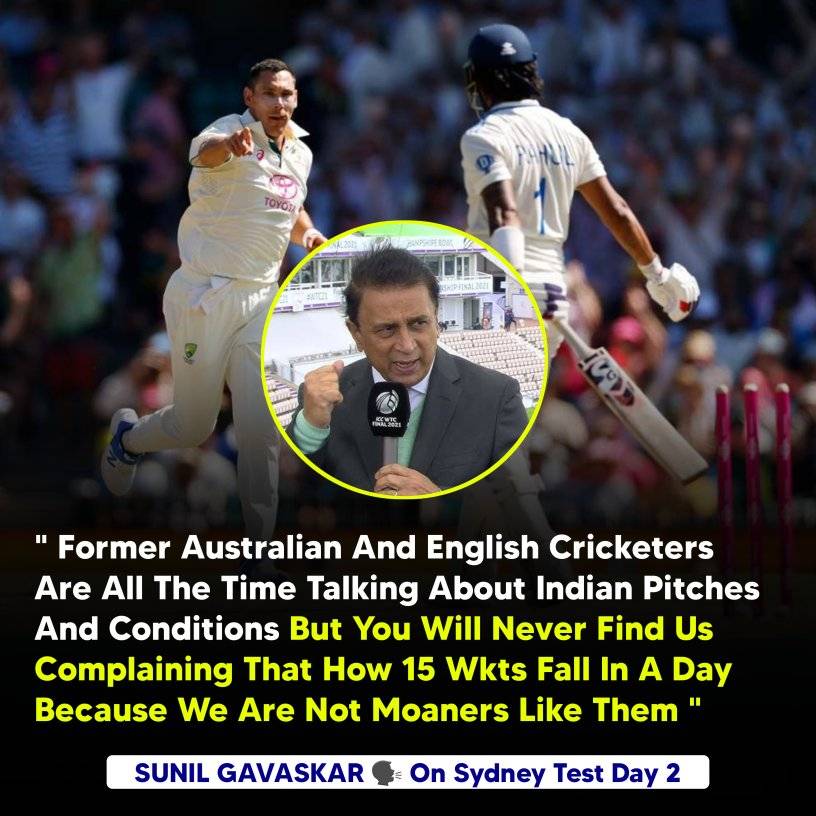

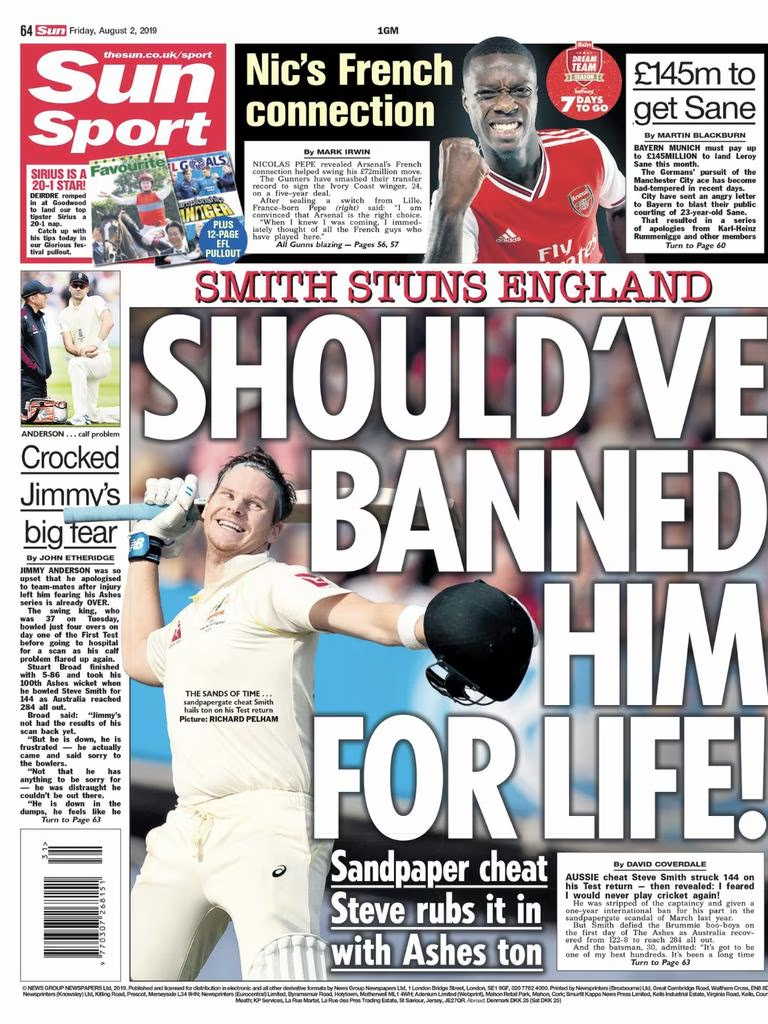
Cricket does not chase precision. It does not promise fairness. It tolerates ambiguity and demands judgement.
And in doing so, it admits something most sports can’t say loud for all money:
Life is inexact. And so is cricket.
Author’s Note:
This piece is not about nostalgia, outrage or reform. It is about acceptance. It is an attempt to understand cricket as it is - a game built not on certainty, but on judgment. I’ve come to believe that cricket’s greatest strength is also what frustrates it most: it refuses to be exact.
Follow for more on X.